
Description
Bird's eye plant (Ochna serrulata) is a distinctive evergreen shrub belonging to the Ochnaceae family. It is widely recognized in horticulture for its unique fruiting stage, where the sepals turn bright red and hold shiny, black drupes, which resemble the eyes of a bird, earning the plant its common name.
Native to the subtropical regions of South Africa, the plant thrives in wooded areas and thickets. While it grows naturally in warm climates, it has become a popular ornamental species in many regions worldwide. In cooler climates, gardeners manage it as a potted plant, moving it indoors during winter to protect it from frost.
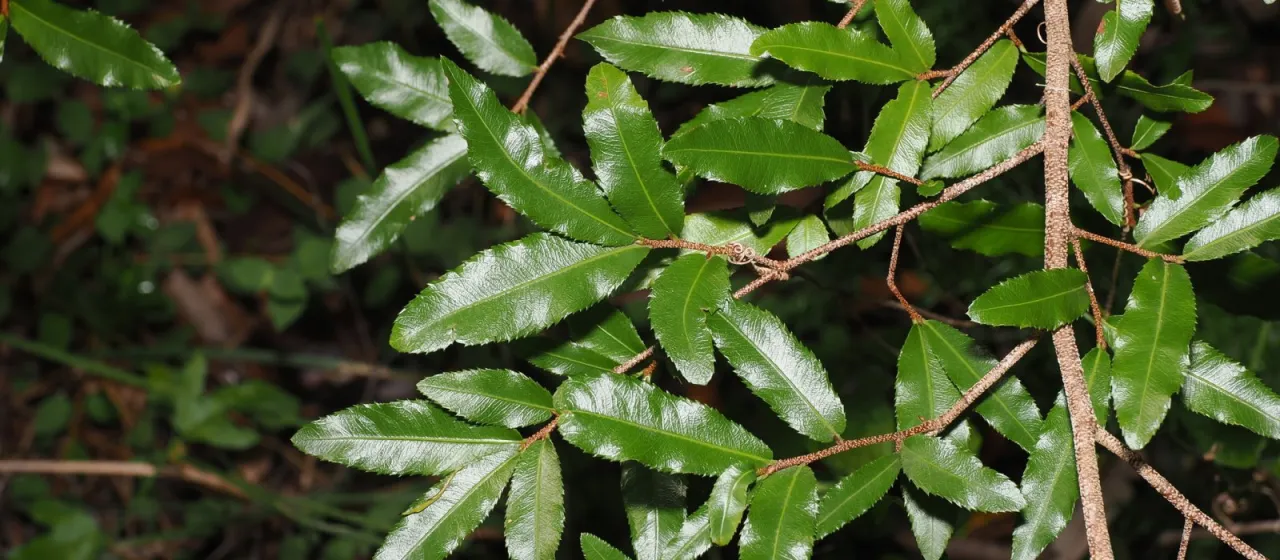
The botanical structure of the bird's eye plant is characterized by its glossy, leather-like foliage with fine, serrated margins. The flowers are small, yellow, and fragrant, blooming briefly in the spring. Following the bloom, the plant undergoes a dramatic transformation as the reproductive parts develop into the signature red and black fruit clusters that remain decorative for several weeks.
Cultivation of Ochna serrulata requires well-drained, acidic to neutral soil enriched with organic matter. The plant demands a high-light environment for optimal development, though partial shade is recommended during the peak of the summer sun. Maintaining consistent soil moisture is crucial, as the plant does not tolerate prolonged drought conditions, yet it is equally sensitive to waterlogging.
In terms of plant protection, Ochna serrulata is generally hardy but susceptible to pests like spider mites and mealybugs, especially when cultivated in dry indoor environments. Proper air circulation and regular inspection are essential to prevent outbreaks. Overall, it remains a rewarding crop for enthusiasts looking to add an exotic touch to their garden or greenhouse.
- Scientific name: Ochna serrulata.
- Family: Ochnaceae.
- Hardiness: Frost-sensitive.
- Propagation: Seed or cuttings.
- Key feature: Decorative red sepals and black fruit.