
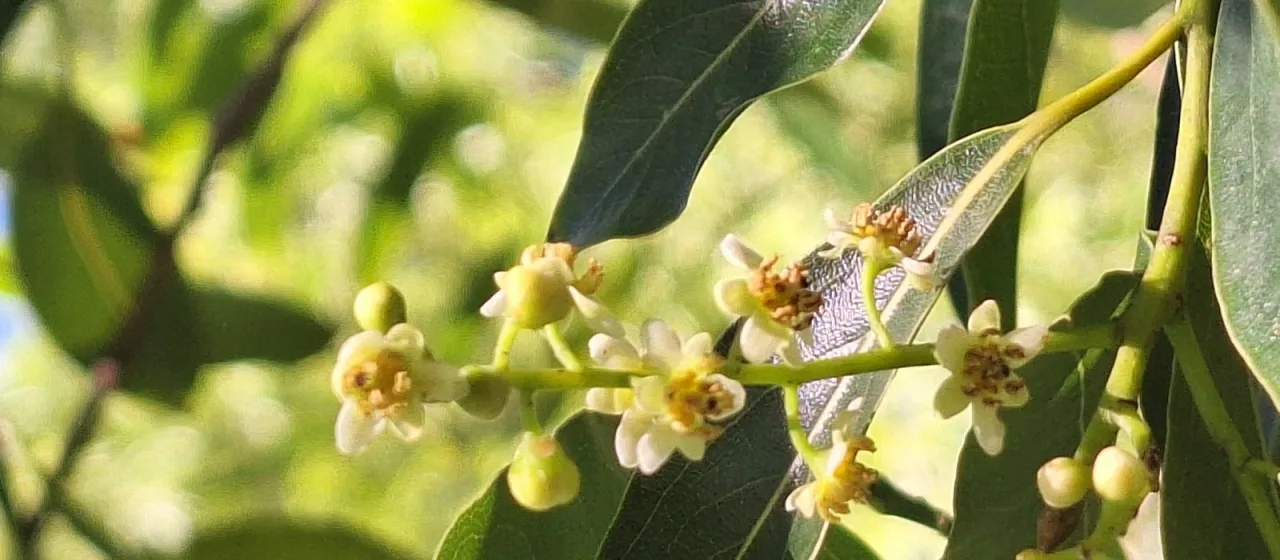
Description
Ocotea acutifolia is a prominent evergreen tree species belonging to the Lauraceae family. Recognized for its ecological significance, this plant is an essential constituent of the forest biodiversity in its native South American habitats.
The natural range of Ocotea acutifolia includes subtropical forests in Brazil, Argentina, and Uruguay. It thrives in high-humidity environments where consistent rainfall and mild temperatures allow for steady growth throughout the year, making it well-adapted to specific forest niches.
Botanically, the species is characterized by its sharp-pointed, leathery leaves and a robust, dense woody structure. These physical adaptations help the tree manage water retention and light competition in the multi-layered forest canopy, contributing to its long lifespan and healthy development.
From an agricultural and forestry perspective, successful cultivation requires fertile, well-drained soils rich in organic matter. Proper spacing and protection from extreme frost during the juvenile stage are critical for maintaining healthy plantations and ensuring optimal growth rates.
The economic value of this tree is largely derived from its wood, which is utilized in high-quality furniture making and construction due to its density and durability. Beyond commercial timber, it is a vital species for reforestation initiatives and environmental rehabilitation projects in South America.
- Excellent wood quality for industrial applications.
- Important role in forest canopy restoration.
- Adaptability to specific tropical soil types.
- Moderate resistance to common forestry pests.