
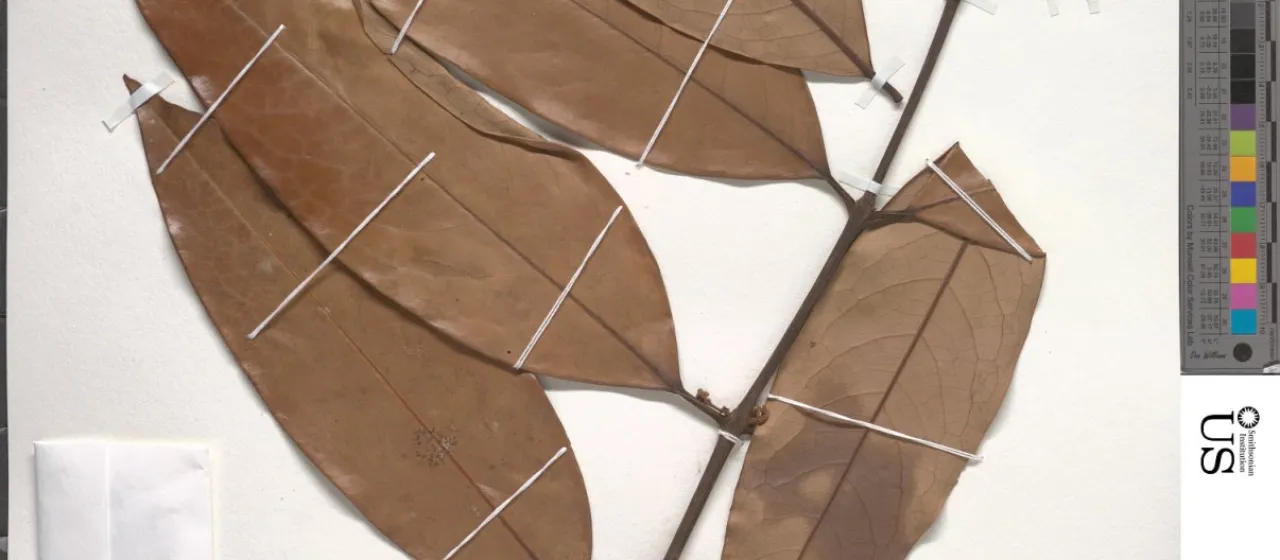
Description
Greenheart (Ocotea rodiei) is a highly valued timber tree species belonging to the Lauraceae family. Known for its exceptional structural integrity and density, it is one of the most iconic trees found in the tropical rainforests of the Guiana Shield in South America. It is a large, evergreen tree that can reach heights of over 40 meters, characterized by a straight, cylindrical trunk.
The native range of Ocotea rodiei is primarily concentrated in Guyana, Suriname, and parts of Venezuela and Brazil. It thrives in high-rainfall tropical environments, specifically in lowland rainforests with deep, well-drained soils. Due to its slow growth rate, the natural regeneration of this species is sensitive to habitat fragmentation and requires preserved forest conditions to flourish.
Botanically, the tree features leathery, dark green leaves and small, inconspicuous flowers. The fruits are drupes that serve as a source of food for various rainforest species. Its wood is renowned for its specific gravity, which is so high that the timber sinks in water. The biological maturity of the tree is reached over many decades, reflecting its high ecological value.
Cultivation of Greenheart in a silvicultural context is challenging due to specific climatic requirements. It demands consistently high humidity, protection from direct drought, and deep, nutrient-rich soils. In plantation settings, young saplings require partial shade to mimic the canopy environment of their natural habitat, ensuring that they do not suffer from thermal stress during their establishment phase.
The industrial applications of Greenheart are primarily driven by its resistance to biological degradation:
- Marine construction, including dock pilings, piers, and sea walls.
- Industrial flooring that requires extreme abrasion resistance.
- Heavy-duty load-bearing structural members.
- Manufacturing of high-end fishing rods and sporting goods.
Regarding health management, the species can be susceptible to various wood-boring insects and root pathogens if soil conditions become waterlogged. Integrated pest management in forest plots focuses on maintaining optimal hydrological conditions to prevent fungal growth. As a slow-growing hardwood, long-term monitoring is essential to ensure the vitality of young plantations and prevent premature infestation.