
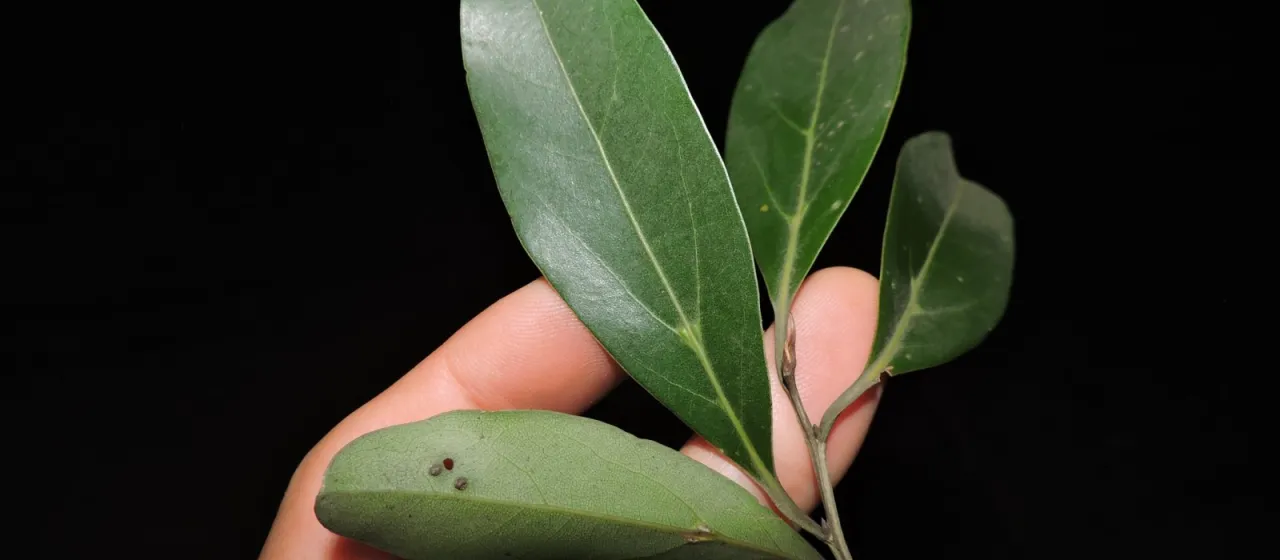
Description
Brazilian Walnut, scientifically known as Ocotea porosa, is a significant evergreen tree belonging to the Lauraceae family. Commonly referred to as Imbuia in its native South America, this tree is highly regarded for its slow-growing nature, which ultimately results in wood of exceptional density, distinct grain patterns, and remarkable durability.
The native distribution of this species is primarily concentrated in the subtropical highland forests of southern Brazil. The tree thrives in regions with relatively high rainfall and temperate climates, distinguishing itself from typical tropical species that prefer lowland heat. It is a vital component of the Araucaria moist forests, playing a key role in the regional ecology.
Botanically, Ocotea porosa is characterized by a massive trunk and a dense, symmetrical crown of dark, leathery leaves. The plant exhibits typical features of the laurel family, including small, fragrant inflorescences and drupaceous fruits. Its bark is often rough, and the heartwood displays a unique color palette ranging from yellowish-brown to deep chocolate, often with attractive striping.
Cultivation requirements for Brazilian Walnut are stringent, necessitating deep, well-drained, and nutrient-rich soils. Due to its slow growth rate, the species is not suitable for short-term plantation cycles. Successful forest management requires initial protection of seedlings from direct exposure and weeds, ensuring the young trees establish a robust root system before full exposure to the elements.
- Exceptional wood hardness and rot resistance.
- Significant economic value in fine furniture and cabinetry.
- Sensitivity to soil waterlogging and poor drainage.
- Natural resilience to many pests due to essential oils.
- Requires long-term commitment for timber harvesting.
The primary economic value of this crop lies in the luxury woodworking industry, where it is utilized for high-end furniture, musical instruments, and ornamental veneers. Regarding phytosanitary concerns, the tree can be prone to fungal root pathogens in waterlogged environments. Insect pests, such as wood-boring beetles, primarily affect unhealthy or injured trees, highlighting the need for good silvicultural practices to maintain crop vigor.