
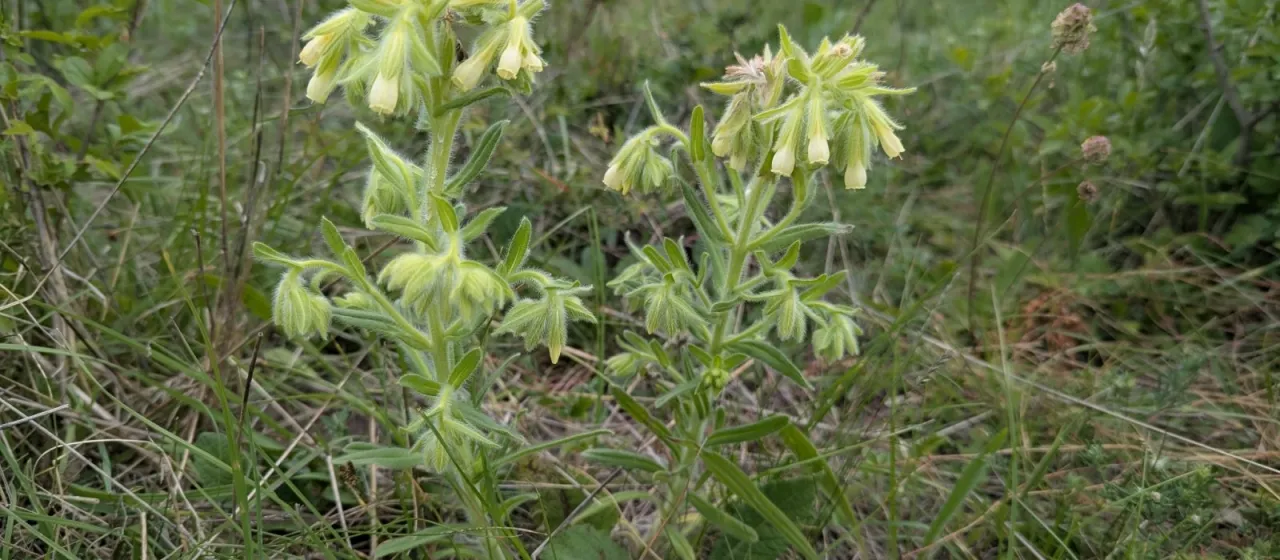
Description
Onosma arenaria, commonly known as sandy onosma, is a perennial herbaceous plant belonging to the Boraginaceae family. This species is highly valued for its natural adaptation to extreme environmental conditions, particularly in sandy or gravelly habitats where nutrient availability and water retention are typically very low.
Originating from the steppe regions of Eurasia, this plant has spread across various arid zones. In agricultural contexts, it is increasingly viewed as a viable candidate for the reclamation of sandy soils and marginal lands that require low-input plant cover. Its natural habitat includes coastal dunes, dry riverbanks, and open limestone or sandy slopes.
Botanically, it is characterized by its distinct silvery-grey pubescence on foliage, which functions to minimize transpiration in high-heat environments. The plant produces tubular, drooping flowers, typically pale to bright yellow, arranged in scorpioid cymes. Its taproot system is deep and robust, allowing it to remain anchored and hydrated even during harsh summer droughts.
Agricultural requirements for Onosma arenaria emphasize well-drained, sandy-loam soils with neutral to slightly alkaline pH levels. Excessive watering is the primary cause of failure in cultivation; therefore, it is vital to avoid sites with waterlogging. Maintenance involves minimal intervention, though weeding in the first year of establishment is necessary to reduce competition from invasive grasses.
The economic value of this crop lies in its secondary metabolites. Research indicates the presence of naphthoquinones, such as shikonin, in the roots, which are used in medical and cosmetic formulations for their anti-inflammatory and antiseptic properties. Regarding health management, the plant is generally pest-resistant, but it should be monitored for root rot and mildew in regions with unusually high humidity levels.