
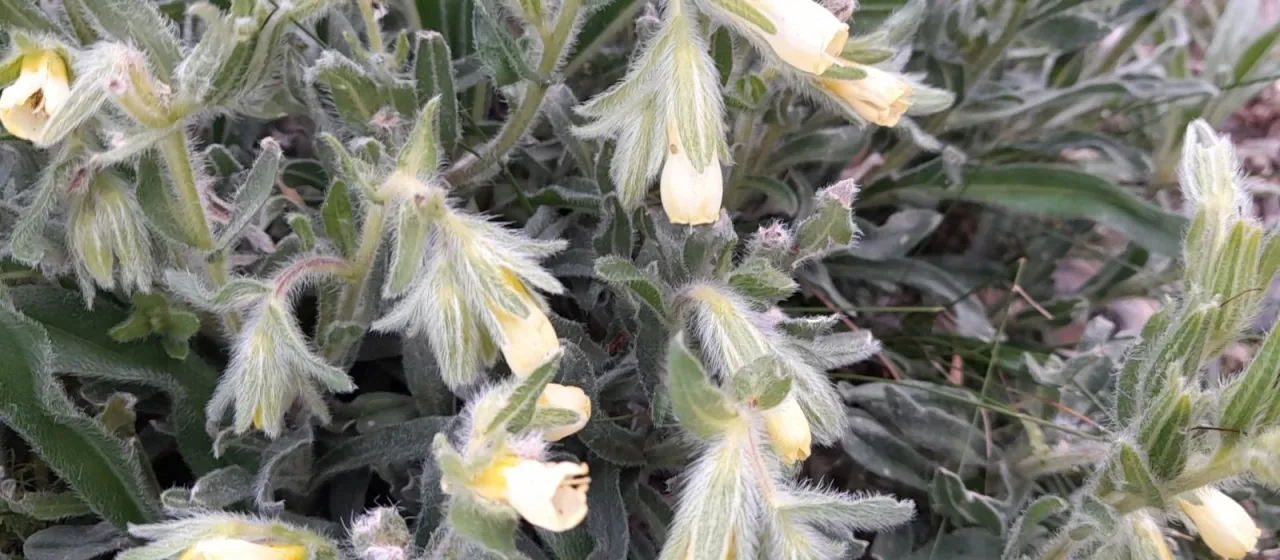
Description
Onosma bubanii is a distinctive perennial flowering plant belonging to the Boraginaceae family. Renowned for its architectural form and vibrant, bell-shaped flowers, this species has become a staple for gardeners specializing in xeriscaping and alpine-style landscaping, where its resilience against harsh conditions is highly valued.
Originating from the mountainous regions of the Pyrenees, particularly in Spain and France, this species is naturally adapted to rocky terrain and high levels of solar radiation. This geographical origin dictates its preference for well-drained, gritty substrates and its overall hardiness in temperate climatic zones.
Botanically, Onosma bubanii is characterized by its hairy, lanceolate foliage which serves as a protective mechanism against evaporation. The inflorescences emerge as elegant clusters of yellow, tubular bells, which are not only aesthetically pleasing but also play a critical ecological role as a significant nectar source for local pollinator populations.
The agrotechnical requirements for this crop focus primarily on substrate management. It thrives in poor, neutral to alkaline soils and requires excellent drainage to prevent crown rot. In cultivation, it is essential to avoid sites with poor permeability; therefore, incorporating gravel or coarse sand into the planting medium is a standard recommended procedure.
Regarding its utility and maintenance, Onosma bubanii is primarily used as a decorative element in rock gardens and on dry embankments. The species is relatively low-maintenance, showing good resistance to common pests. However, protection from winter wetness is crucial, and monitoring for aphids during peak growth periods ensures the health and longevity of the plant stands.