
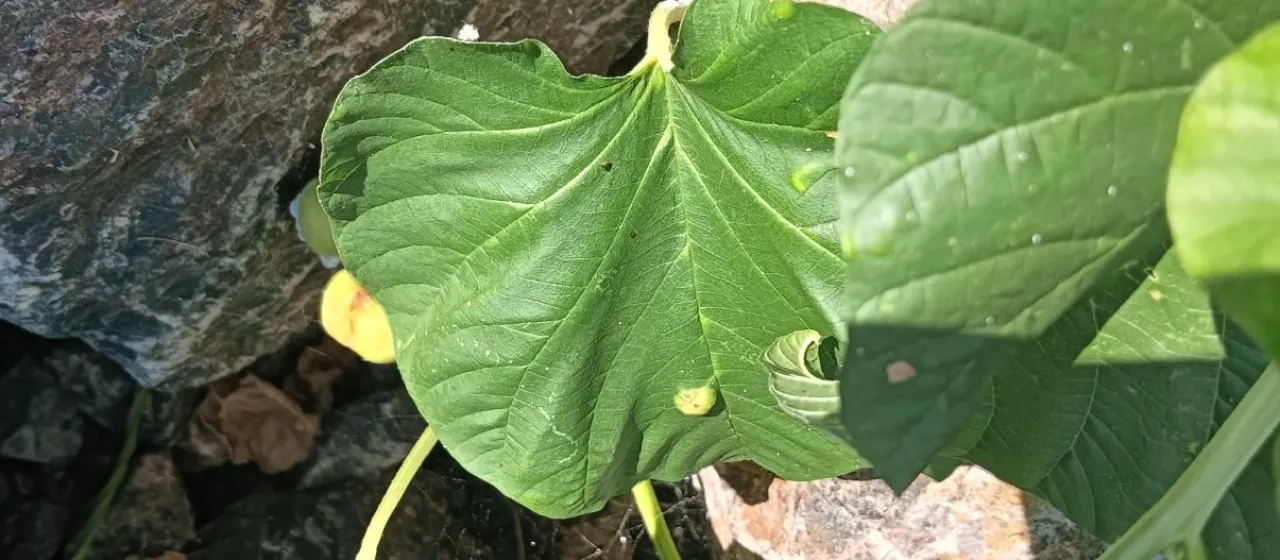
Description
Operculina aequisepala is a climbing plant species belonging to the Convolvulaceae family. Known for its vigorous growth and vining habit, it is a botanical representative of tropical flora that thrives in environments providing ample vertical space and humidity.
The plant originates from the tropical regions of Asia. In its natural range, it occupies diverse habitats including forest edges and riparian zones. It has adapted to thrive in warm climates where sunlight is abundant, allowing it to climb over other vegetation to reach the upper strata of the forest canopy.
Botanically, this species is characterized by its alternate leaves and distinctive funnel-shaped flowers. A key diagnostic feature is the structure of its calyx, where the sepals are approximately equal in length, which distinguishes it from related taxa in the genus Operculina.
Cultivation requirements for this crop include consistent tropical temperatures and protection from cold stress. It thrives in well-drained, fertile soil, which is essential to prevent root rot. Proper agricultural practice includes providing robust trellis systems or structures to support the rapid vegetative growth and ensure sufficient exposure to light.
From an agricultural perspective, the crop requires careful monitoring for common pests such as aphids and spider mites. Pathogens, particularly fungal infections triggered by excessive moisture or poor aeration, can pose risks to yield. Management focuses on maintaining soil health and providing adequate space for air circulation to keep the plants healthy throughout the growing season.