
Description
Operculina turpethum is a perennial vine belonging to the Convolvulaceae family, widely recognized for its medicinal properties. Often referred to as "Indian Jalap," this plant is a climber that uses its vigorous stems to scale surrounding vegetation, reaching significant heights in its natural tropical habitat.
The plant is native to tropical regions of Asia, primarily found across India, Sri Lanka, and various parts of Southeast Asia. It thrives in regions with tropical climate patterns, requiring consistent warmth and high humidity levels throughout the year to achieve optimal growth and secondary metabolite production.
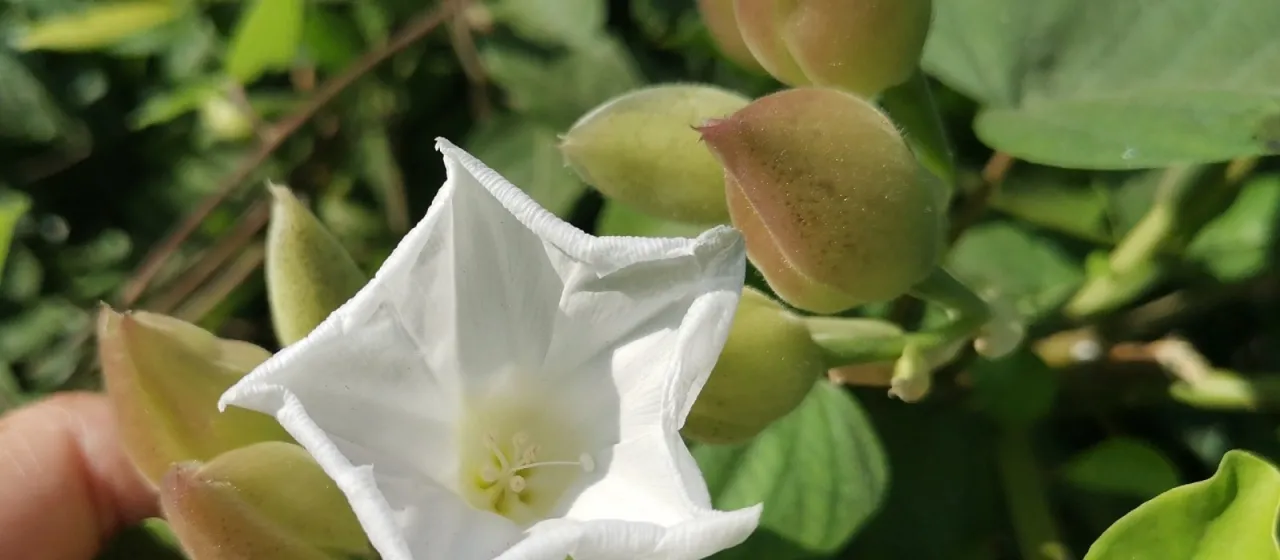
Botanically, it features cordate leaves and distinct white, funnel-shaped flowers. The most significant part of the plant for agricultural and economic purposes is its fleshy, succulent root system, which serves as the primary reservoir for its medicinal compounds. Propagation is typically achieved through seeds or stem cuttings in well-tended nursery environments.
Agronomic requirements include sandy loam soils with excellent drainage, as the roots are highly susceptible to rot under waterlogged conditions. The plant requires robust support structures, such as trellises, to allow for proper air circulation and sunlight exposure. Regular organic fertilization and soil moisture monitoring are essential for maintaining plant vigor.
The primary economic use of Operculina turpethum lies in its pharmacological utility. Its roots are processed for use in traditional Ayurvedic preparations, serving as a natural purgative and therapeutic agent. Its growing popularity in the wellness industry has led to increased interest in sustainable farming practices for this species.
- High sensitivity to frost and cold stress.
- Susceptibility to common root rot pathogens.
- Requirement for regular pruning to manage vine spread.
- Beneficial impact of mulching for moisture retention.