
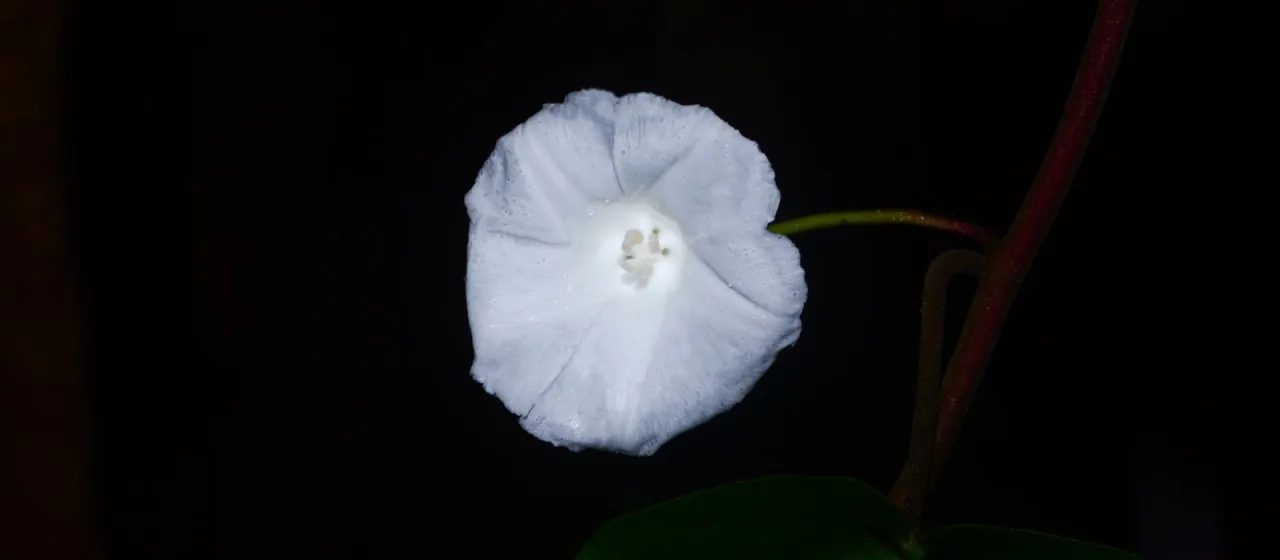
Description
Operculina ventricosa is a robust perennial climbing vine belonging to the Convolvulaceae family. Recognized for its aggressive growth patterns, this species acts as a sprawling climber that requires significant space to thrive in its natural environment.
The plant originates from the tropical zones of Central and South America and the Caribbean islands. It is typically found in habitats characterized by high atmospheric humidity and consistent warm temperatures, often colonizing disturbed sites or forest fringes.
From a botanical perspective, the plant is identified by its large cordate leaves and infundibuliform (funnel-shaped) flowers. The name ventricosa refers to the swollen, bladder-like appearance of its fruit capsules, which serve as a primary diagnostic feature for species identification.
Successful cultivation requires well-draining, nutrient-rich soil and full sun exposure. The plant is highly sensitive to frost and thrives in temperatures ranging from 22°C to 30°C. Irrigation must be managed carefully to maintain consistent moisture without inducing root rot, as the root system is sensitive to waterlogged conditions.
Economically, the species is primarily valued in botanical gardens and ornamental landscaping for its rapid coverage ability. While it is not a major agricultural crop in the traditional sense, its study contributes significantly to the understanding of the Convolvulaceae family’s morphology and ecological role in tropical biodiversity.