
Description
The thermal adder's-tongue (Latin: Ophioglossum thermale) is a rare species of fern belonging to the Ophioglossaceae family. Unlike conventional agricultural crops, this plant is a specialized perennial that thrives in specific microclimates associated with geothermal activity, making it a subject of interest for botanical study rather than commercial cultivation.
The natural range of this species is distributed across Eastern Asia, including parts of the Russian Far East, Japan, and the Korean Peninsula. It is typically found in close proximity to hot springs and thermal areas where the ground remains warm and consistently moist throughout the year, regardless of the surrounding ambient air temperature.
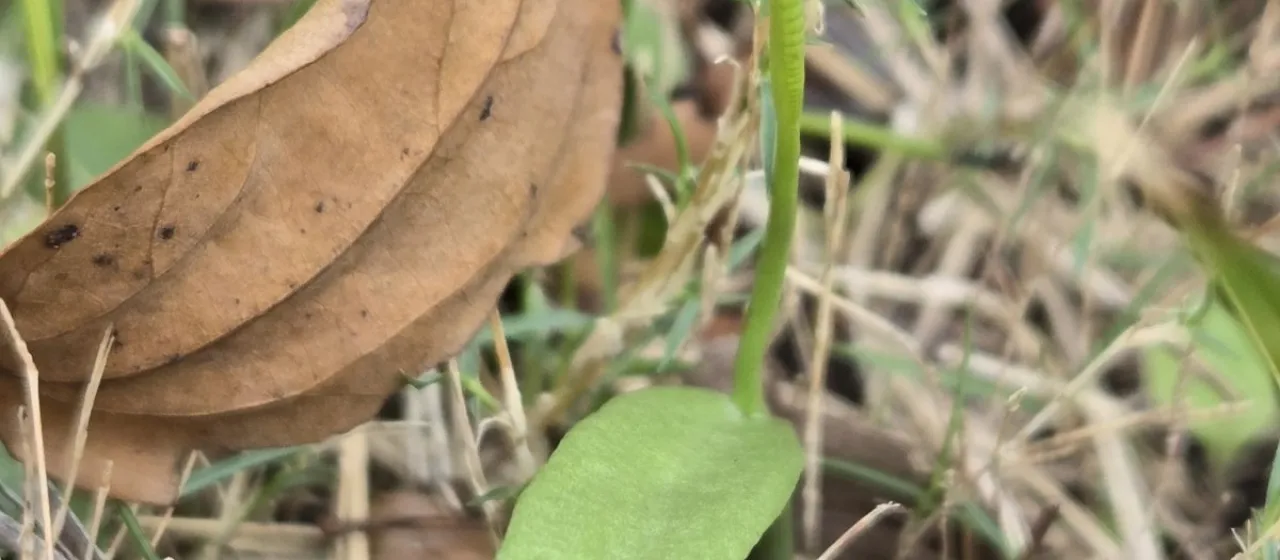
Botanically, the plant is characterized by a single vegetative leaf that is lanceolate in shape and a distinct sporophyll (spore-bearing spike) attached to the plant via a stalk. Its root system is underground, consisting of a short rhizome with fleshy roots that allow the plant to store nutrients and maintain its position in the specialized soil layers.
Environmental requirements are extremely strict. The plant demands soil that is not only warm due to geothermal heat but also possesses a specific moisture balance and mineral profile. Because of these demanding conditions, there is no standardized agricultural technology for its mass cultivation, and attempts to transplant it generally result in failure if the exact soil composition and thermal source are missing.
Economic and agricultural utility for this plant is currently non-existent; it is considered a conservation priority in many regions. The main threats to its population include the disruption of thermal springs, habitat destruction, and climate-induced shifts in local hydrology. The plant is primarily protected by regional environmental laws as a vital indicator of specific, fragile ecosystems.