
Description
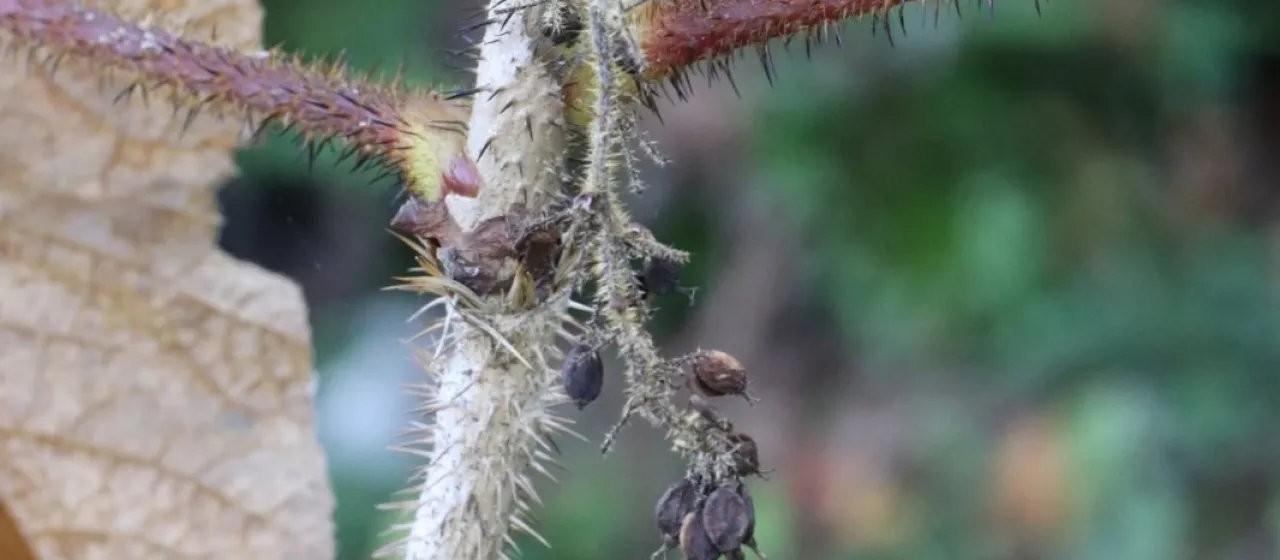
Oplopanax elatus is a rare, relic shrub belonging to the Araliaceae family. It is a close relative of ginseng and is highly valued for its phytochemical composition, which includes potent adaptogenic compounds. The plant is easily identified by its erect stems densely covered with sharp, formidable spines that provide protection against herbivores.
The native distribution area of this species is limited to the southern part of the Russian Far East, North Korea, and northeastern China. It typically thrives in cool, moist, and shaded coniferous-deciduous forests. The plant is considered a protected species in many regions due to its slow reproduction cycle and specific ecological habitat requirements.
Botanically, it features a creeping rhizome system and large, palmately lobed leaves arranged in a spiraling pattern. The inflorescences are terminal panicles that bloom into small greenish-yellow flowers. The fruits are bright red drupes that attract various bird species, playing a crucial role in the local ecosystem's seed dispersal mechanism.
Agricultural success depends on mimicking the plant's natural forest floor environment. Key requirements include consistent shade, high humidity, and acidic, organic-rich soil. Proper drainage is essential, as the roots are highly sensitive to waterlogging. Propagation is generally achieved through seeds that require stratified storage or by division of established rhizomes.
The economic and medicinal use of Oplopanax elatus is focused on the production of specialized health products. Extracts from the roots and bark are utilized for their invigorating and restorative properties. Current applications include:
- Manufacturing of dietary supplements and immune boosters.
- Development of therapeutic tinctures for stress management.
- Utilization as a unique specimen in botanical collections and shaded ornamental gardens.
The plant is susceptible to various fungal pathogens when cultivated in poorly drained environments, often resulting in root rot. Common pests such as aphids and spider mites can impact growth, particularly in greenhouse settings where air circulation might be insufficient. Implementing integrated pest management and maintaining soil health are critical for long-term productivity.