
Description
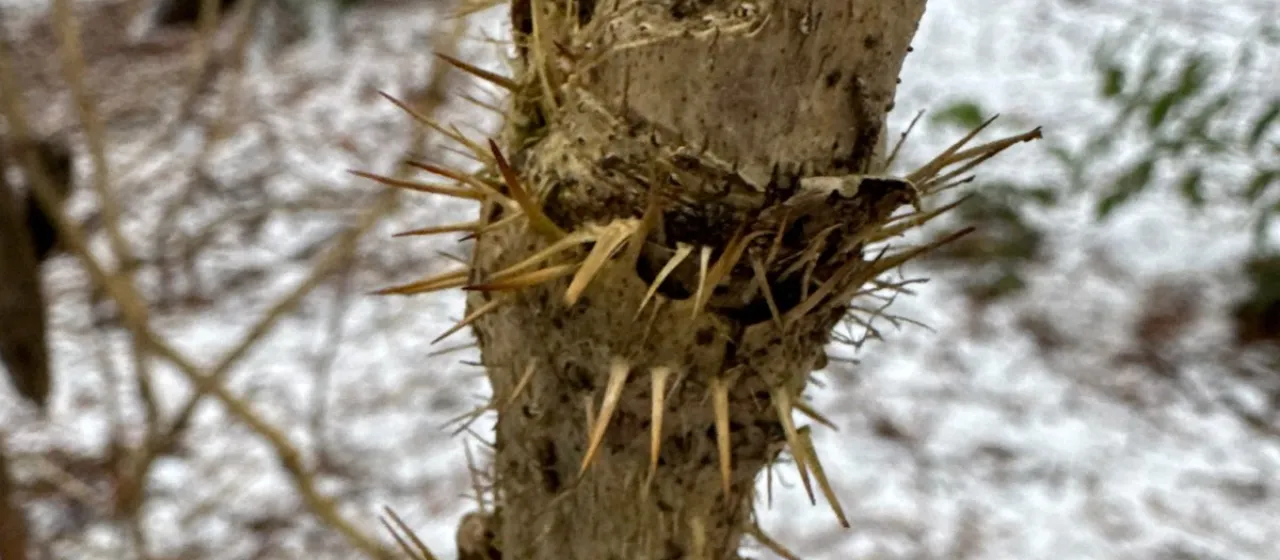
Devil's club (Oplopanax horridus) is a distinct deciduous shrub belonging to the Araliaceae family. It is widely recognized for its medicinal potential and unique morphology, featuring large, palmately lobed leaves and stems densely armed with sharp spines. This plant is a significant component of the temperate rainforest ecosystems in its native range.
The native distribution of this species spans the coastal regions of the Pacific Northwest, extending from Alaska down to Oregon. It typically thrives in deep, moist, nutrient-rich forest soils. As a crop, Oplopanax horridus is considered a specialty plant, as its cultivation requirements are demanding, requiring specific shade levels and a high degree of soil organic matter.
Agronomic management of Devil's club focuses on replicating its natural forest floor habitat. It requires consistent moisture throughout the growing season and protection from direct, intense sunlight. Soil pH should be slightly acidic to neutral. Propagation is most successful through root cuttings or stratification of seeds, which may take several months to germinate under controlled conditions.
The main pests that affect the plant include various soil-borne pathogens, particularly root rot fungi that occur in stagnant water conditions. Generally, the plant's structural defenses—its extensive system of sharp, needle-like prickles—provide an effective deterrent against most browsing animals and larger insect pests, making chemical pest control largely unnecessary.
From an economic perspective, Oplopanax horridus is valued primarily for its bark and roots, which contain bioactive compounds used in ethnomedicine and modern supplement manufacturing. Due to its slow growth rate and sensitivity to harvesting, sustainable cultivation and forest farming practices are critical to ensuring the longevity of this plant in agricultural landscapes.
- Belongs to the Araliaceae family.
- Native to Pacific Northwest rainforests.
- Prefers shaded and moist environments.
- Propagated via seeds or root cuttings.
- Valued for adaptogenic medicinal properties.