Description
Orthocarpus pusillus, commonly known as owl-clover, is an annual herb belonging to the Orobanchaceae family. While not a cultivated crop in modern agriculture, it is a significant species in rangeland ecology, often interacting with native grasses and legumes in its natural habitat.
The plant is native to western North America, particularly flourishing along the Pacific Coast. It is primarily found in open, moist environments such as meadows, vernal pools, and disturbed grasslands. Its geographic distribution is closely tied to areas that experience seasonal fluctuations in soil moisture levels.
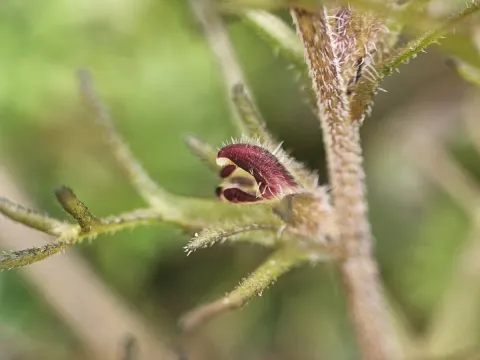
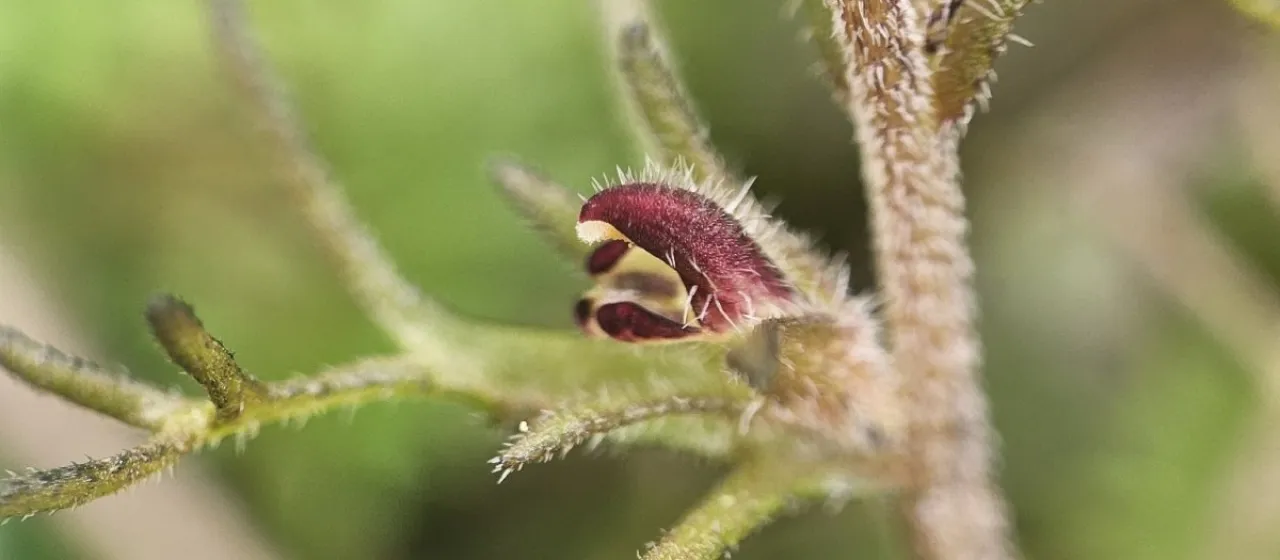
Botanically, Orthocarpus pusillus is characterized by its slender stems and narrow, pubescent leaves. The inflorescence consists of small, often inconspicuous flowers arranged in a spike. As an annual, its life cycle is strictly timed with the rainy season, allowing it to complete its growth phase before the heat of mid-summer.
In terms of agricultural management, this plant is generally managed as a weed when it invades managed pastures or agricultural fields. It thrives in damp soils with low nutrient competition. Effective control involves mechanical removal or habitat management to promote more desirable forage species, thereby reducing the presence of this invasive annual.
There is currently no significant commercial or industrial use for Orthocarpus pusillus. In agricultural settings, it is valued primarily for its ecological function rather than production utility. It faces few specific pest pressures, as it has evolved to coexist within its native plant communities rather than standing out as a primary host.
Photo gallery