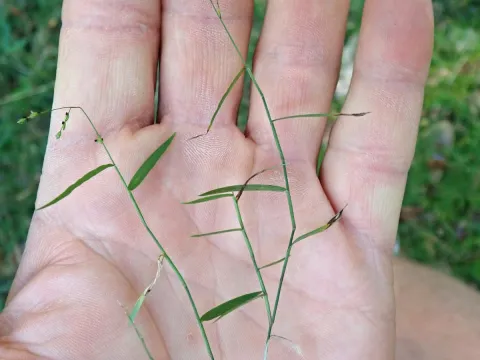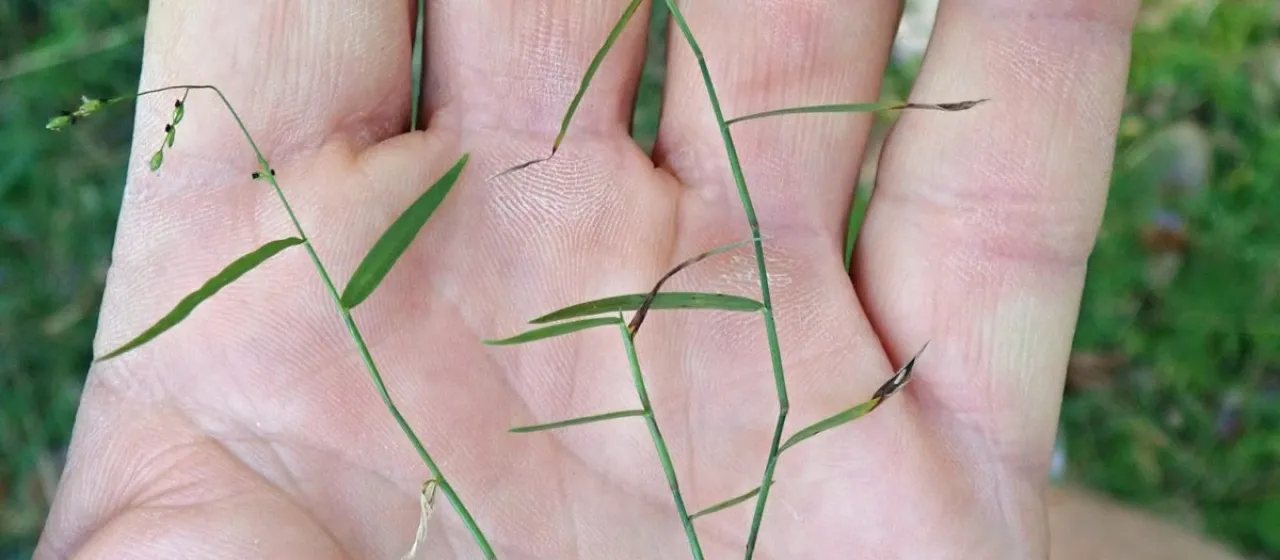
Description
Ottochloa gracillima is a perennial grass species belonging to the Poaceae family. Recognized for its slender growth habit, this plant serves as a vital component in tropical ecosystems and is increasingly evaluated for its potential in sustainable forage production systems in warm climates.
Originating from the tropical regions of Southeast Asia and Northern Australia, this grass thrives in areas with consistent moisture and high temperatures. Its natural habitat includes open forests, forest margins, and disturbed areas where its ability to adapt to varying light conditions provides a competitive advantage.
Botanically, the species is characterized by its spreading habit, with stems that often root at the nodes. The leaves are typically narrow and soft, contributing to high palatability for livestock. Its root system is well-developed, allowing the plant to stabilize soil effectively and maintain growth during shorter dry spells.
Cultivation practices for Ottochloa gracillima prioritize soil fertility management and light exposure. While it exhibits remarkable shade tolerance, peak biomass production is achieved in open or semi-shaded areas with well-drained loamy soils. Regular grazing or harvesting intervals are recommended to stimulate new tillering and maintain nutritional quality.
The primary agricultural utility of this crop lies in pasture improvement. It is highly valued as a grazing forage due to its nutritional density and regrowth capacity. Beyond livestock support, it is utilized in land reclamation projects, particularly for stabilizing slopes where native vegetation requires a rapid-growing grass cover.
- Excellent biomass yield in tropical environments.
- Significant palatability for cattle and other ruminants.
- High tolerance for shade and moderate soil moisture fluctuations.
Photo gallery