Description
Ottochloa nodosa is a perennial grass species belonging to the Poaceae family. It is recognized as a significant forage crop in tropical regions, valued for its rapid growth rate and ability to persist under intensive grazing conditions. The plant is characterized by its trailing stems that root at the nodes, forming a dense sward that is highly effective for soil cover.
The origin of this species is traced to Southeast Asia, where it is found in diverse tropical environments. Its range extends across various regions with high humidity and rainfall. Due to its adaptability, it has become an essential component of native pastures and has been introduced into agricultural systems in similar climates worldwide to support livestock production.
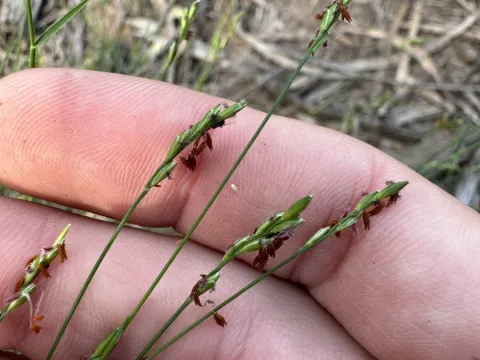
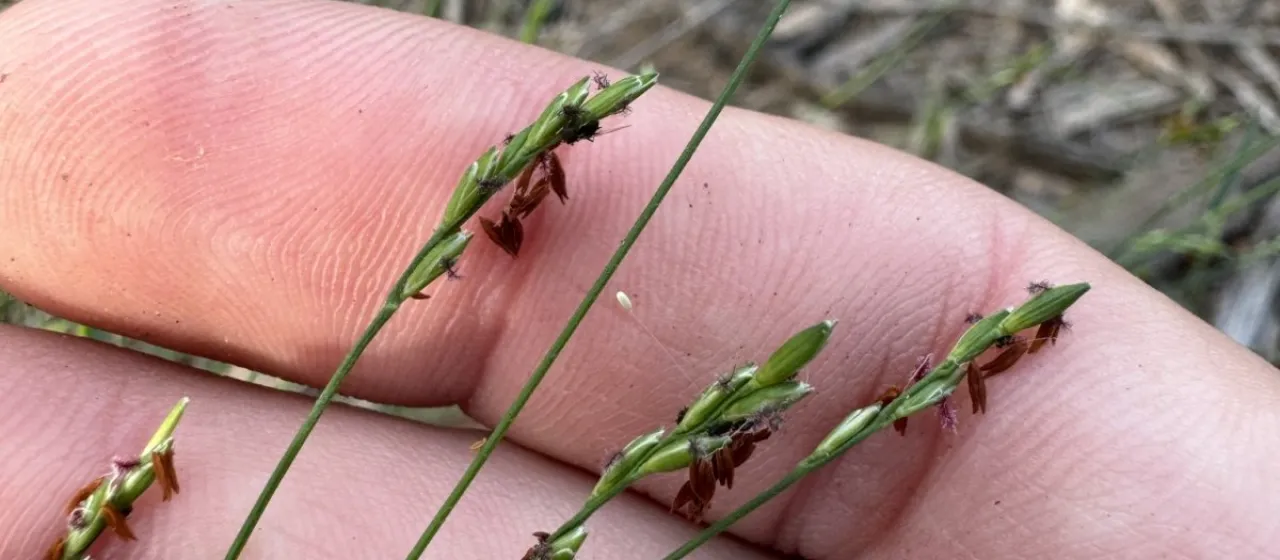
Botanically, the plant features slender, branching stems that can reach up to one meter in length. The leaves are lanceolate, smooth, and vibrant green, providing high-quality biomass. The inflorescence is a loose, open panicle consisting of fine spikes, allowing for efficient seed production. Its structural resilience enables it to survive periodic trampling and environmental stress.
Agro-technically, Ottochloa nodosa thrives in warm, humid climates with adequate annual precipitation. It prefers well-drained, fertile soil types, though it demonstrates tolerance to a range of soil textures. Basic cultivation requirements include maintenance of soil fertility, particularly nitrogen levels, and periodic management of grazing pressure to ensure the sustainability of the pasture stand.
The primary economic use is as a grazing forage for cattle, sheep, and goats. It is highly palatable and nutritionally beneficial for livestock. Regarding plant health, it is generally robust; however, it may face issues with leaf spot pathogens or sucking insects during exceptionally wet seasons. Integrated pest management and proper pasture rotation are recommended to minimize these impacts.
Photo gallery