Description
Meadow fescue (Festuca pratensis Huds.) is a versatile perennial grass belonging to the Poaceae family. It is highly regarded in agriculture as a persistent, productive, and palatable forage species. It is widely recognized for its ability to produce high-quality silage and hay while also serving as a robust component in grazing pasture systems.
Native to temperate regions of Europe and Western Asia, meadow fescue has been introduced and naturalized in many parts of North America and other temperate regions worldwide. Its adaptation to various cool-season environments has made it a standard choice for farmers seeking reliable forage in stable, non-drought-prone areas.
Botanically, meadow fescue is a bunch-type grass that does not form rhizomes, which helps in maintaining a uniform pasture stand. It grows up to 100–120 cm tall with dark green, relatively smooth leaves. The inflorescence is a loose, nodding panicle, which distinguishes it from the more aggressive tall fescue, as meadow fescue is generally softer and more palatable to livestock.
The crop requires fertile, moist, and well-structured soils to reach its full potential. It excels in heavy, moisture-retaining soils such as clays and silty loams. While it is quite tolerant of temporary waterlogging, it performs best in soils with near-neutral pH levels. It is significantly more winter-hardy than many other ryegrass species, making it suitable for colder northern regions.
The primary agricultural uses for meadow fescue include:
- Forage production for hay and haylage due to its excellent nutritional profile.
- Grazing systems, as it recovers well after frequent mowing or intensive grazing.
- Soil conservation and erosion control on meadows and riparian buffer zones.
Regarding health management, meadow fescue is susceptible to common grass diseases such as leaf rust, powdery mildew, and net blotch. Common insect pests include grass flies, leafhoppers, and various aphids. Effective management involves maintaining a balanced fertilization program and ensuring the sward is kept in a vigorous state to naturally resist infections and pest damage.
Контент-граф
Connections · Meadow fescue
Most often together:
Marketplace
Products · 17




EUROFERTILN-Process
«Timak Agro Düngemittelproduktion und Ha»
Fertilizers
0
0
·
25
1 offer
2.5 €за 1 кг
Купить


Fertilizer based on humic acids «Potassium Humate EcoOrganika»
Fertilizers
0
0
·
24
2 offers
6.3 €за 1 кг
Купить
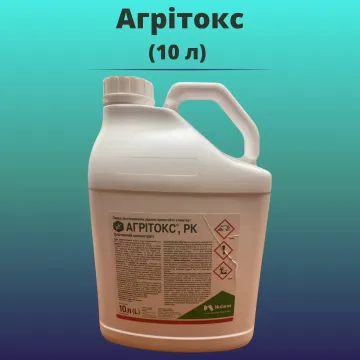
AGROTEX, RK (2-methyl-4-chlorophenoxyacetic acid in the form of dimethyl
Nufarm
Herbicides, Desiccants
0
0
·
21
1 offer
0.9 €за 1 л
Купить