Description
Ozoroa crassinervia is a woody plant species belonging to the Anacardiaceae family. As a specialized agricultural candidate for arid environments, it represents an extremely resilient organism capable of thriving under conditions where most commercial crops would fail due to water scarcity or heat stress.
The plant is native to the southwestern regions of Africa, specifically found in the rugged landscapes of Namibia. Its geographical range is characterized by arid savannahs and rocky mountain slopes, environments that have shaped the plant's unique ability to utilize limited environmental resources efficiently through evolutionary adaptations.
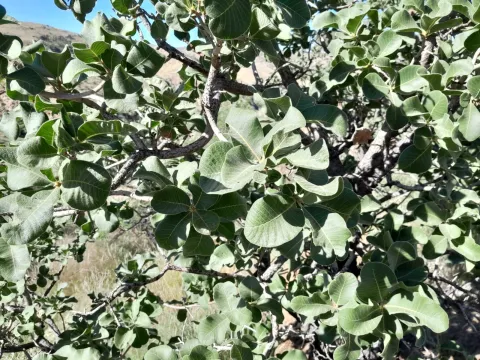
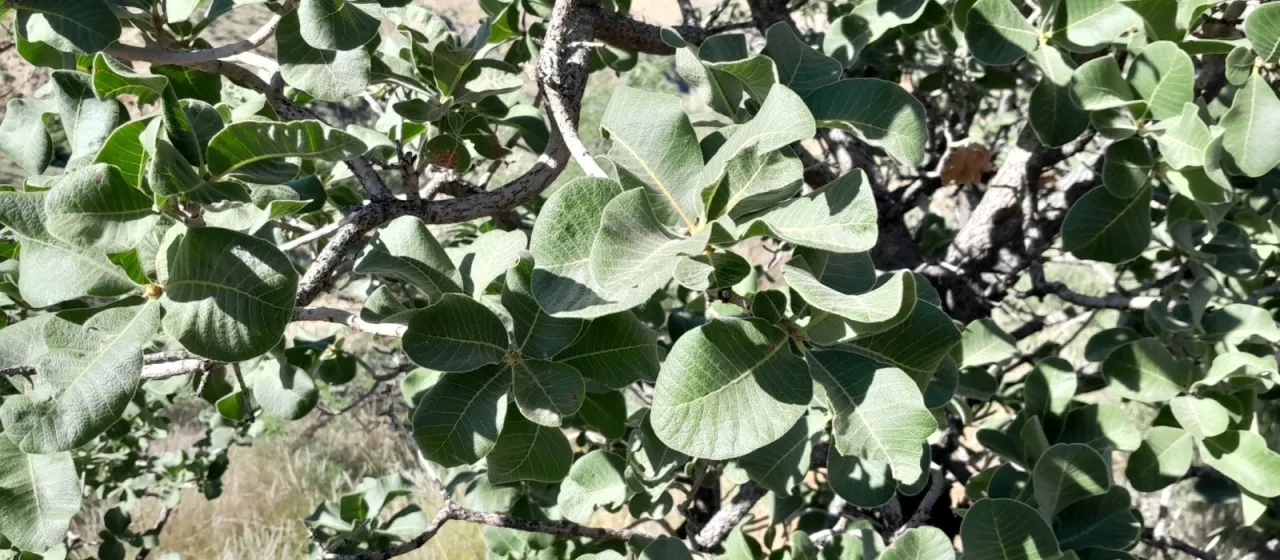
Botanically, it is classified as a deciduous shrub or small tree. The leaves are notoriously leathery with thick, prominent veins, which give the species its scientific name. This structure minimizes transpiration, while a deeply reaching root system allows the plant to tap into deep soil moisture, making it a masterpiece of survival in harsh climates.
Cultural requirements involve high solar exposure and extremely well-drained, porous soils. When managing this plant, agronomists should avoid heavy clay soils that retain moisture, as the primary risk factor for health decline in this species is root rot caused by stagnant water in the root zone.
Agricultural and economic utility of this species includes:
- Extraction of tannin-rich compounds for leather processing;
- Integration into agroforestry systems to prevent soil erosion;
- Use in xeriscaping and ecological restoration of degraded drylands;
- Historical medicinal utilization in local indigenous practices.
In terms of pathology, the crop is largely resistant to most common diseases, provided that water management is strictly controlled. The main pests include occasional infestation by regional wood-boring insects or foliage-feeding larvae, which typically do not cause widespread damage unless the plant is already under severe environmental stress.
Photo gallery