Description
Ozoroa engleri is a species belonging to the Anacardiaceae family, sharing a biological lineage with economically important plants such as the cashew and mango. As an agricultural or semi-cultivated crop, it holds a specific niche in African agroforestry due to its resilience and utility.
Native to the savannahs and woodlands of Eastern and Southern Africa, this plant has evolved to thrive in environments with unpredictable rainfall. Its range is distributed across areas that require species capable of enduring prolonged droughts and intense heat.
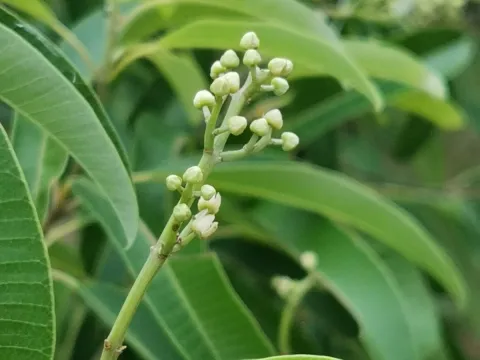
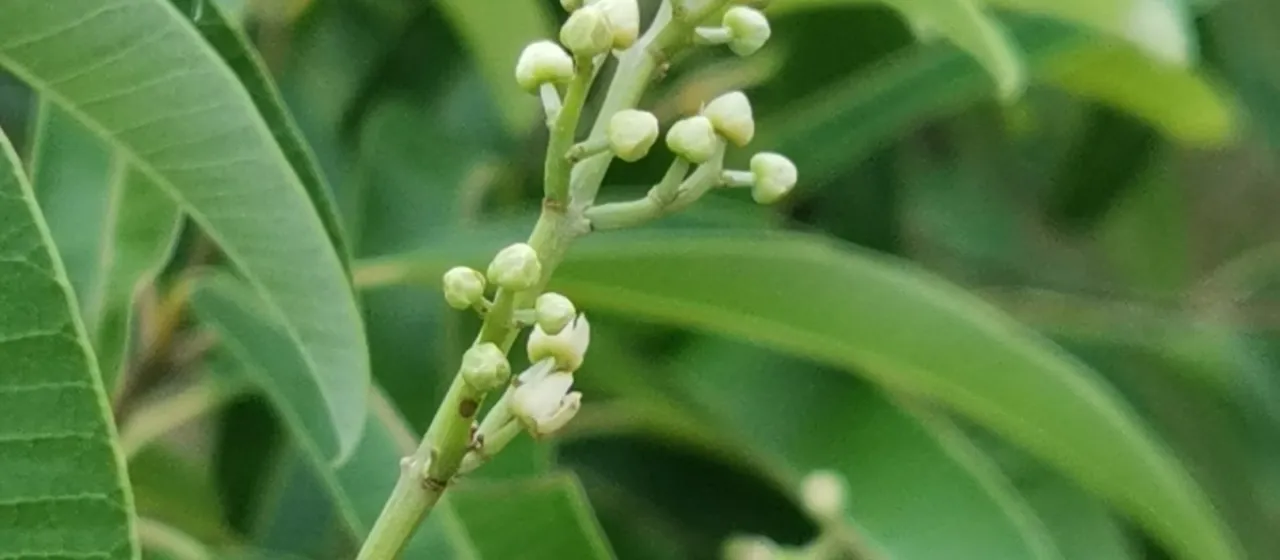
From a botanical perspective, the plant exhibits xerophytic traits. Its foliage is often leathery or coated with a cuticle that reduces transpiration, while its deep taproot system is essential for maintaining hydration when surface water is unavailable. The shrub-like or small tree habit makes it suitable for mixed cultivation systems.
The climate and soil requirements are focused on drainage and light. Ozoroa engleri performs best in well-aerated, sandy, or loam soils. In terms of agronomy, the focus remains on minimal intervention, ensuring that competition from faster-growing invasive weeds is suppressed during the early establishment phase.
The economic and agricultural utility of Ozoroa engleri includes:
- The production of resins used in local crafts and traditional medicine.
- Usage of its wood for fuel and light construction in rural communities.
- Application in erosion control and soil stabilization projects.
- Exploration of its chemical properties for botanical extracts.
Regarding health management, typical pests include wood-boring beetles and certain defoliating insects that prefer arid-adapted plants. Disease control primarily involves preventing fungal root infections by ensuring excellent soil aeration, as excessive soil moisture is the primary physiological stress factor for this species.
Photo gallery