Description
Ozoroa insignis is a distinctive woody shrub or small tree belonging to the Anacardiaceae family, which is renowned for its resilience in arid and semi-arid environments across tropical Africa. As an important component of savannah ecosystems, this species has been studied for its ability to thrive in challenging soil conditions where common agricultural crops often struggle.
The native distribution of this plant spans across various African nations, thriving in woodlands and bushlands. It has evolved to survive extreme dry seasons through deep root systems and waxy foliage that prevents excessive transpiration. Its environmental plasticity allows it to adapt to different soil textures, provided that the drainage remains sufficient to prevent root rot.
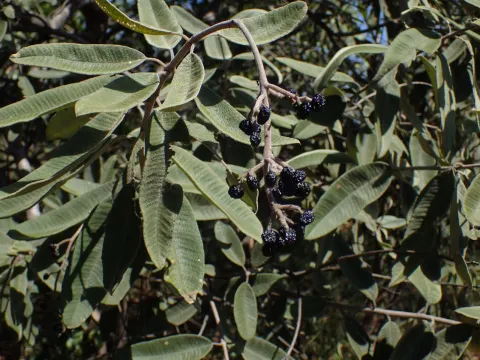
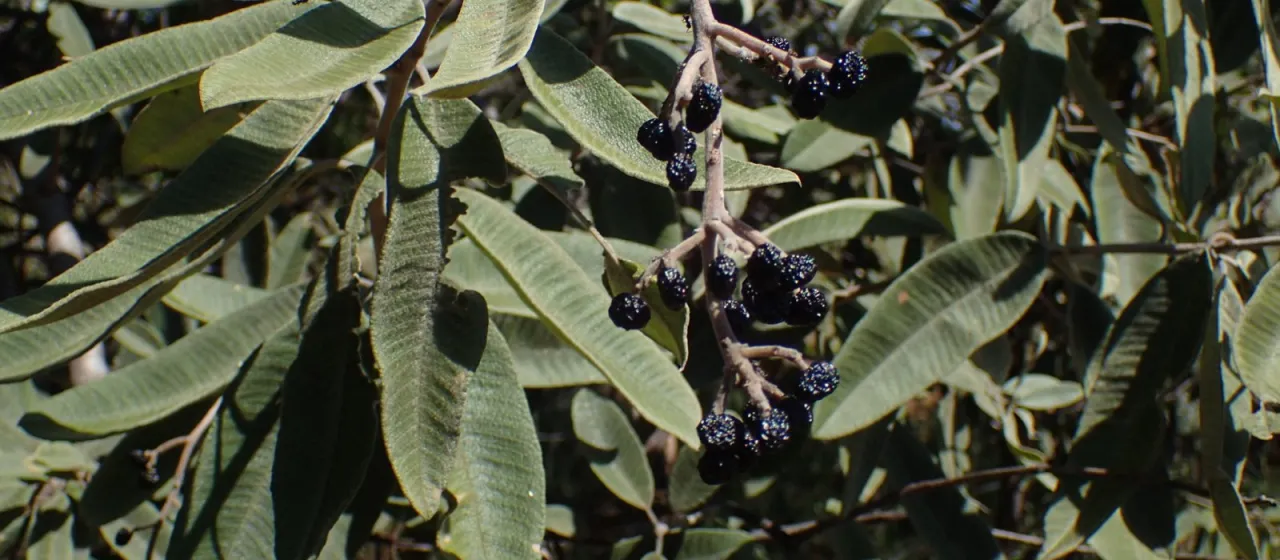
Botanically, the plant is characterized by its ability to secrete a resinous sap from its bark, a common trait in its family. Its panicle-type inflorescences are essential for local biodiversity, serving as an important pollen and nectar source for wild bees and other pollinators. The fruit, a small drupe, serves as a vital dietary source for various local fauna, effectively supporting ecological balance.
In terms of agricultural management, Ozoroa insignis is relatively low-maintenance. Propagation is primarily achieved through seeds, often requiring pre-treatment like scarification. Growers should ensure that young plants receive adequate protection from competing weeds during the establishment phase. Once established, the shrub requires minimal irrigation, making it an excellent candidate for low-input agroforestry systems.
The economic value of Ozoroa insignis is significant, particularly in rural economies. The bark and roots are widely harvested for their high tannin content, which is used in traditional leather tanning processes. Furthermore, the species is frequently utilized in ethnomedicine to treat various ailments. Its timber, while not of massive industrial scale, is valued for small-scale construction and as a sustainable source of firewood.
- Excellent drought tolerance features.
- Rich in bioactive polyphenolic compounds.
- Important support role for pollinator populations.
- Versatile application in traditional industries and medicine.
Photo gallery