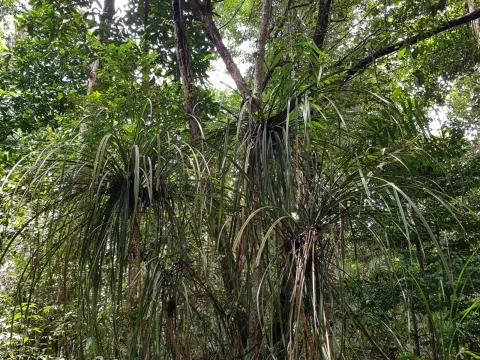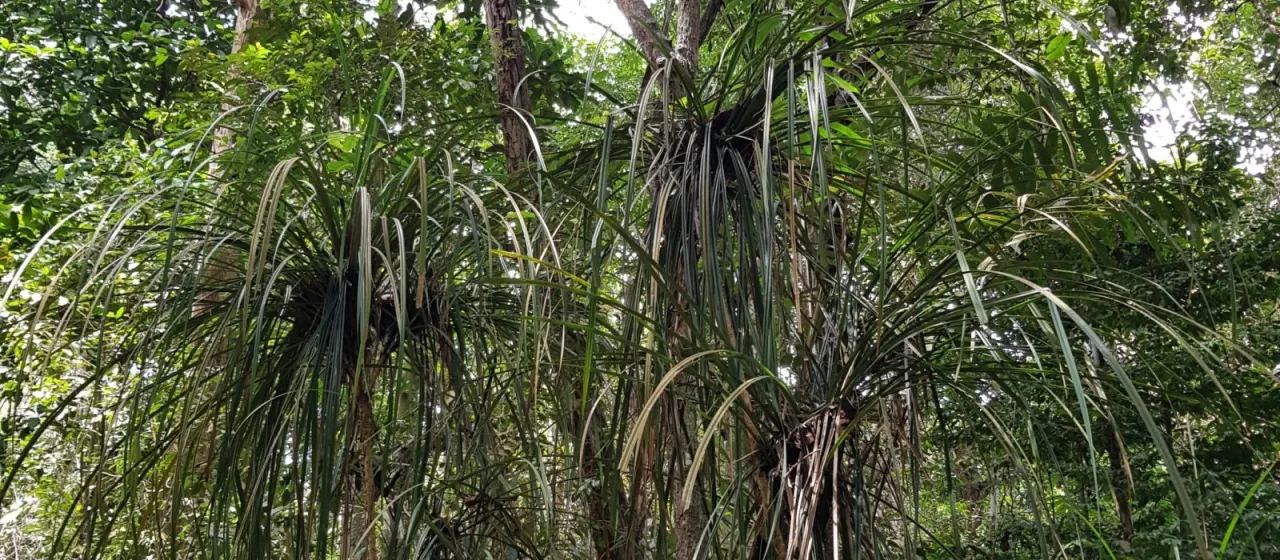
Description
Pandanus ornatus is a robust, evergreen perennial plant belonging to the Pandanaceae family. Known for its distinct architectural form, this plant is recognized by its long, sword-shaped leaves that grow in a spiraling pattern around the trunk. The presence of aerial stilt roots is a hallmark botanical feature, serving as structural support in native tropical habitats.
Originating from the tropical regions of Southeast Asia, this species thrives in high-humidity environments and warm climates. It is widely cultivated across tropical zones as an ornamental plant, while in temperate regions, it is primarily found in greenhouses or as a protected indoor specimen. Its adaptation to swampy or coastal tropical areas makes it a resilient plant when conditions are well-managed.
The morphology of Pandanus ornatus is highly specialized. The leaves are typically characterized by serrated edges that demand caution during handling. As the plant matures, it develops complex fruiting bodies that resemble large pineapples or cones, composed of dense clusters of drupes. This development requires significant biological energy, making optimal soil nutrition vital for healthy growth cycles.
Agronomic management of this crop requires strict attention to the environmental balance. The soil should be well-draining, rich in organic matter, and kept consistently moist but not waterlogged. High ambient humidity is crucial, and the plant performs best under bright, indirect light. Periodic fertilization during the growing season helps maintain the vibrant color and structural integrity of the foliage.
In terms of practical application, the fibers of the leaves are traditionally valued for weaving mats, baskets, and handicraft items due to their tensile strength. Beyond its utility, it remains a staple in landscaping for its exotic appearance. Potential plant health issues include:
- Root rot caused by poor soil drainage.
- Spider mite infestations during dry, hot periods.
- Mealybug colonization, typically found in the leaf axils.
Photo gallery