Description
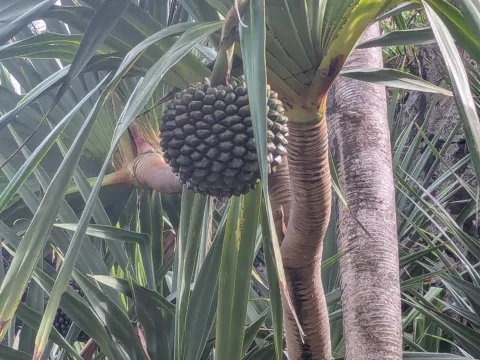
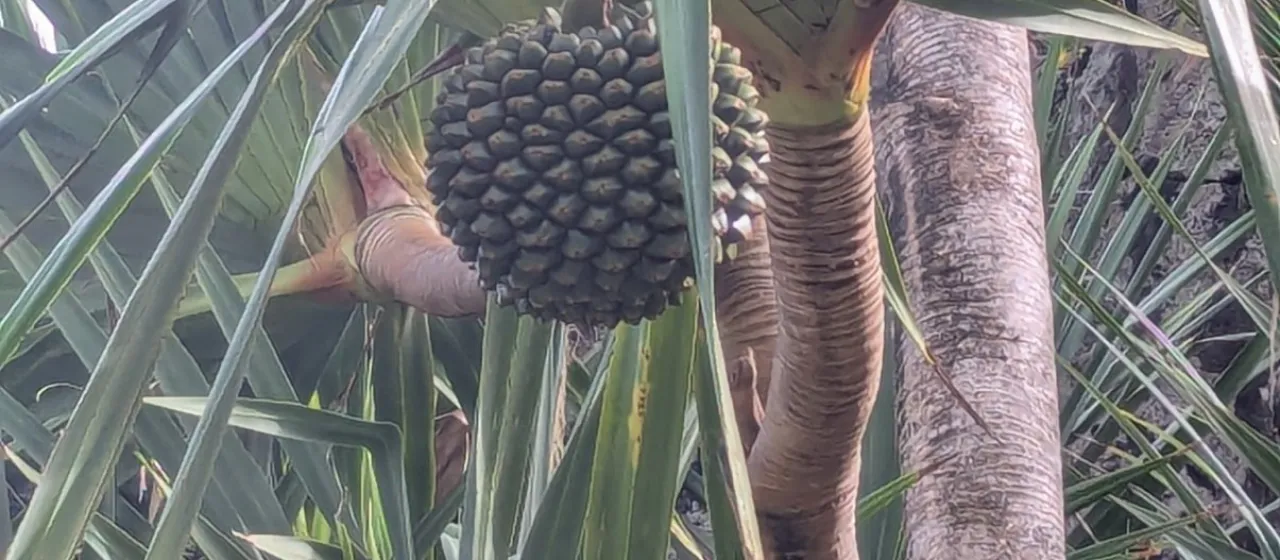
Common screwpine (Pandanus utilis) is a significant tropical plant belonging to the Pandanaceae family. It is recognized for its unique palm-like appearance, characterized by a tall, straight trunk supported by an elaborate system of stilt-like adventitious roots that anchor the plant securely in the ground.
Native to Madagascar, the species has been naturalized across various tropical islands and coastal regions worldwide. In agriculture, it is prized for its ability to thrive in diverse soil types, including sandy, saline environments, making it a valuable crop for coastal development and land stabilization projects.
Botanically, the plant features long, fibrous leaves arranged in a distinct spiral pattern, from which the name screwpine originates. The leaf margins are typically serrated with sharp spines. The fruit is a large, multiple-part syncarp that matures from green to a vivid yellow or red, composed of numerous individual drupes containing seeds.
The agronomic requirements for Pandanus utilis focus on a warm, humid climate with minimal seasonal temperature variation. It requires full sunlight to partial shade for optimal growth. Soil should be well-drained to prevent root decay, as stagnant water is the primary limiting factor in its cultivation. Regular fertilization during the growing season promotes vigorous leaf production.
The economic utility of the Common screwpine includes several important sectors:
- Fiber extraction from mature leaves, essential for weaving baskets, mats, and household goods.
- Utilization of dried leaves as a traditional roofing material.
- Consumption of the fruit pulp in regional diets as a supplementary source of nutrients.
- Use in ornamental horticulture to create tropical landscapes and hedges.
Crop health can be threatened by common tropical pests, including mealybugs, scale insects, and spider mites, which affect leaf vitality. Fungal pathogens such as leaf spot are more prevalent in high-humidity areas with poor air circulation. Effective management involves maintaining cleanliness around the root zone and applying appropriate fungicides or pesticides when symptoms appear.
Photo gallery