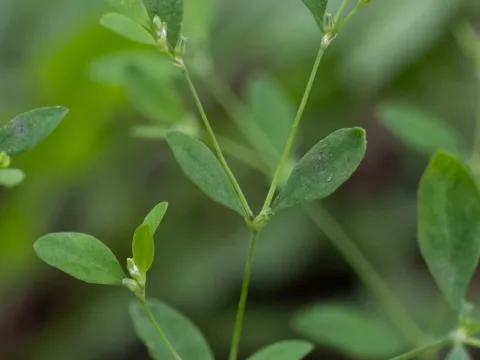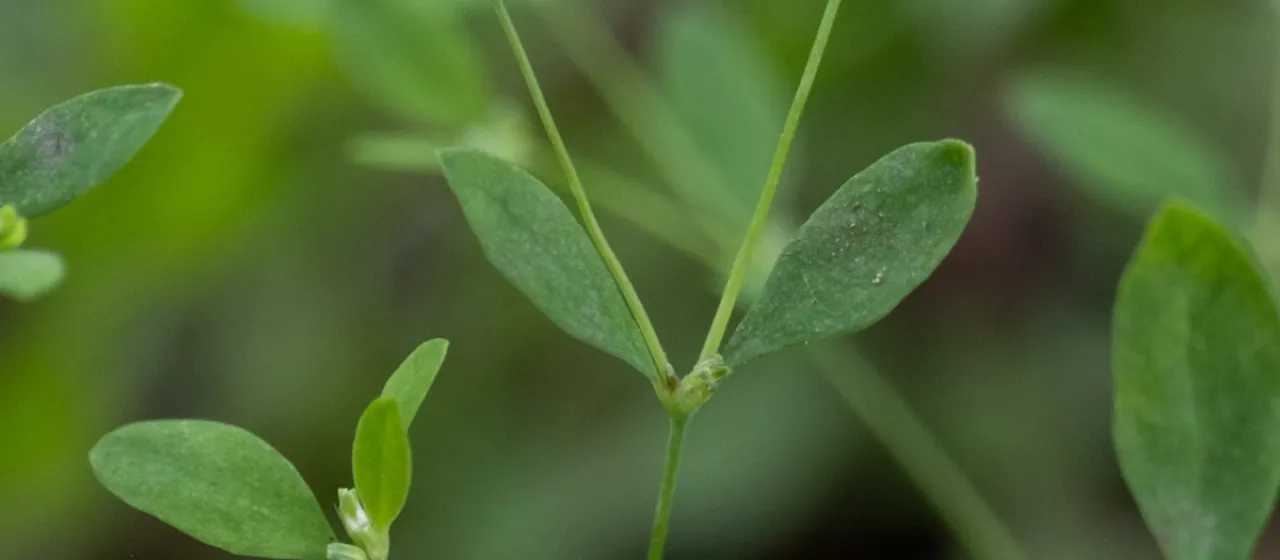
Description
Smooth forked nailwort (Paronychia canadensis) is a perennial herbaceous plant belonging to the family Caryophyllaceae. While not a conventional staple crop, it is gaining interest in specific agricultural niches, particularly in botanical research and ecological restoration projects that require drought-resistant ground cover.
Originating from North America, this species is naturally distributed across various rocky outcrops and dry woodland environments. Its ability to colonize nutrient-poor substrates makes it a robust candidate for areas where intensive farming is not viable due to soil degradation or lack of irrigation resources.
The botanical structure of Paronychia canadensis is defined by its low-profile, spreading habit. The plant features delicate foliage and tiny, inconspicuous flowers that bloom during the warmer months. Its root system is relatively shallow yet efficient, allowing the plant to stabilize surface soil effectively in sandy or gravel-rich conditions.
Cultivation requirements focus on providing excellent soil aeration. It thrives in well-drained, slightly acidic to neutral soils and prefers full sun exposure. In an agricultural setting, overwatering must be strictly avoided, as the species is highly susceptible to root decay when subjected to waterlogged conditions, which is its primary vulnerability.
The main commercial and practical applications include its use in specialized landscaping, soil conservation on slopes, and potential pharmacological screening for medicinal secondary metabolites. While it is generally resistant to many common pests, growers should monitor for infestations of spider mites in dry, sheltered conditions and ensure appropriate plant spacing to prevent fungal blight.
Photo gallery