Description
Paronychia cephalotes, commonly known as nailwort, is a perennial herbaceous species within the Caryophyllaceae family. In agricultural and horticultural contexts, it is recognized for its hardiness, drought tolerance, and ability to thrive in challenging, rocky environments where most conventional crops fail.
Native to Southern Europe, the Balkans, and Crimea, this plant is well-adapted to Mediterranean-type climates. Its natural range consists primarily of dry meadows and stony slopes, indicating that it is highly evolved to handle intense sunlight, high temperatures, and limited soil moisture throughout its growth cycle.
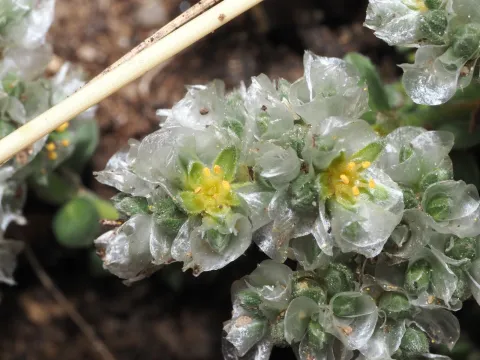
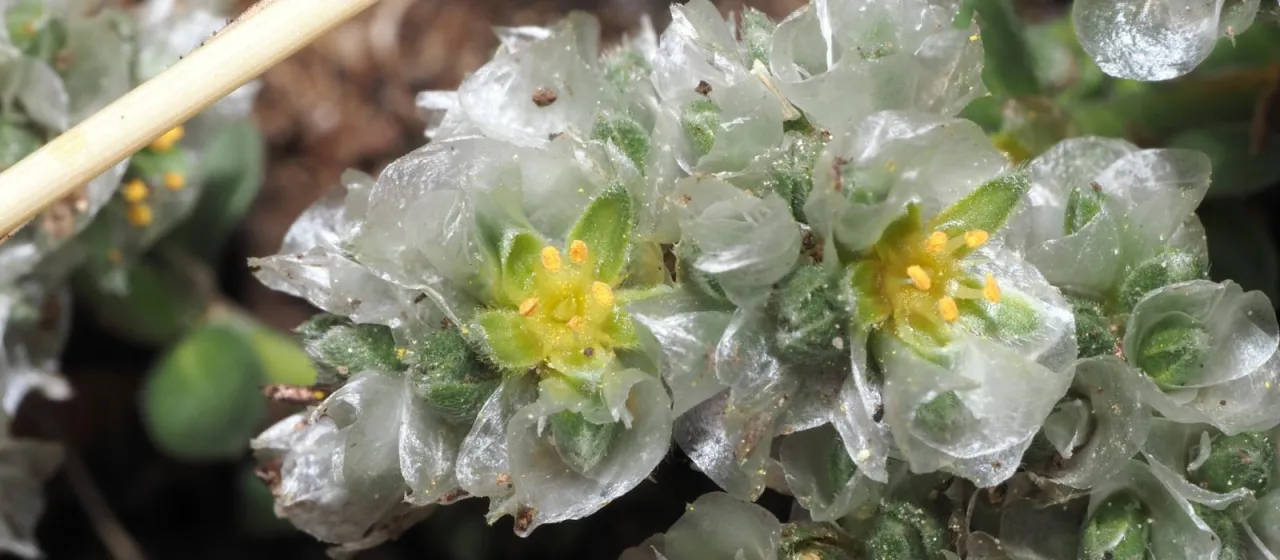
Botanically, the plant grows as a dense, low-matting herb with stems that are often covered in fine, silvery hairs. The flowers are arranged in compact, terminal heads, surrounded by prominent, papery, white bracts. This structure protects the plant from desiccation and gives it a distinct appearance that is highly valued for ornamental and restorative purposes.
Successful cultivation requires specific environmental conditions, primarily focusing on soil structure. The soil must be well-drained, preferably gravelly or calcareous, to prevent root decay. Proper irrigation management is critical, as the plant is highly susceptible to fungal infections caused by stagnant water or excessive humidity during the winter months.
Regarding its utility, the species is investigated for its potential in medicinal applications due to the presence of secondary metabolites. Furthermore, it serves as a sustainable choice for groundcover in landscaping, as it requires minimal fertilization and maintenance once established. Pests are typically few, though root aphids or occasional fungal pathogens may affect health under improper cultivation.
- Excellent drought tolerance
- Requires well-drained, rocky soils
- Low fertilization requirements
- Resilient against direct sunlight
Photo gallery