Description
Patrinia gibbosa is a perennial herbaceous plant belonging to the Caprifoliaceae family. Known for its distinct yellow floral displays and medicinal roots, it is a significant species often categorized within the valerian group due to its therapeutic properties. It is a highly valued species in both botanical collections and specialized herbal gardens.
Originating from East Asia, including Japan, Korea, and parts of the Russian Far East, this plant is well-adapted to cool and temperate climates. It naturally thrives in diverse habitats such as forest edges, meadows, and rocky mountainous slopes, which contributes to its overall hardiness and ease of maintenance in garden environments.
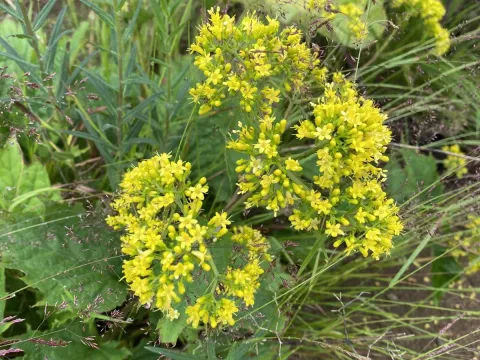
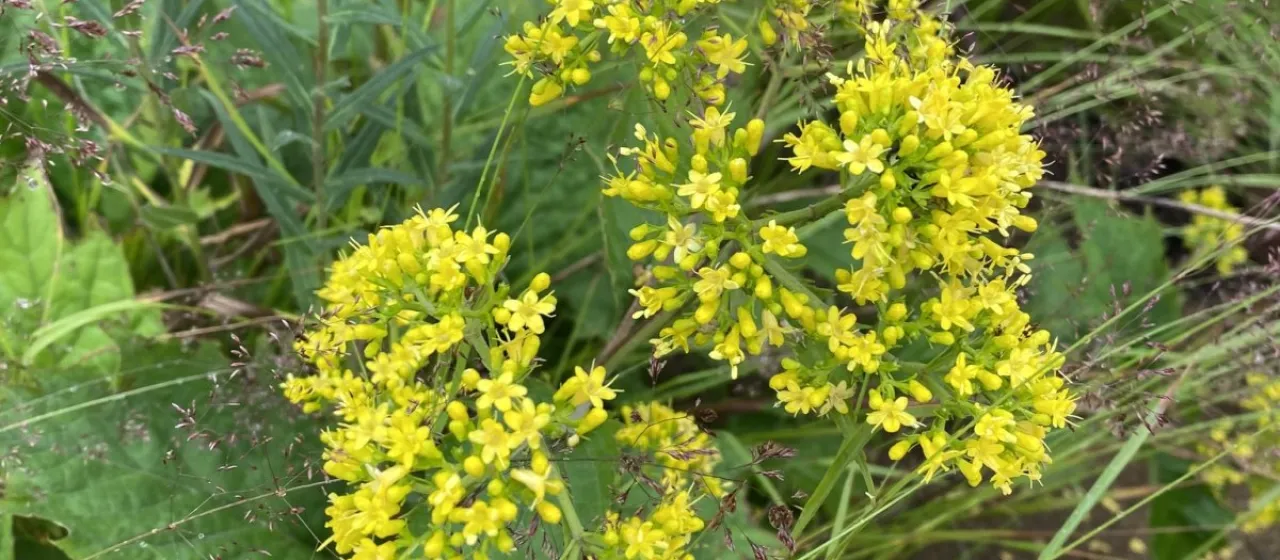
Botanically, Patrinia gibbosa features a robust, branched root system and a basal rosette of lush green leaves. The flowering stalks typically reach 60 to 80 centimeters in height, producing large, corymbose inflorescences composed of small, bright yellow, fragrant flowers. The plant's structure remains stable throughout the growing season, providing consistent aesthetic appeal.
Agronomic requirements for this culture are relatively straightforward but crucial for optimal growth. It favors fertile, well-draining soils with moderate moisture levels and exposure to full sun or partial shade. Propagation is effectively managed through seed sowing in spring or by dividing established clumps. Regular organic fertilization and mulch application are recommended to sustain soil quality and moisture consistency.
The practical applications of Patrinia gibbosa are diverse:
- Pharmaceuticals: The root extracts are studied for their sedative, anti-inflammatory, and hypotensive properties.
- Landscaping: Highly prized in rock gardens, wild-style borders, and sustainable landscaping projects for its vibrant color and low-maintenance requirements.
The plant demonstrates high resistance to common pests and diseases, making it an excellent candidate for sustainable agriculture. However, waterlogged soils may lead to root rot issues, so ensuring proper drainage is essential. Rarely, sap-sucking insects might appear, but these are typically controlled with basic cultural practices and natural interventions without the need for intensive chemical sprays.
Photo gallery