Description
Patrinia villosa is a perennial herbaceous plant belonging to the Caprifoliaceae family, specifically within the subfamily Valerianoideae. Often referred to as "white patrinia" or by its traditional Chinese name "bai jiang cao," this plant is widely cultivated for its significant medicinal properties. It is a robust species that provides both pharmacological value and ornamental interest in garden settings.
The native range of Patrinia villosa spans across Eastern Asia, including China, Japan, and the Korean Peninsula. It naturally thrives in diverse environments, from mountain slopes to forest edges, indicating a high level of resilience to varying light and moisture levels. In agricultural settings, it requires well-drained, nutrient-rich soil and exposure to moderate sunlight to reach its full development potential.
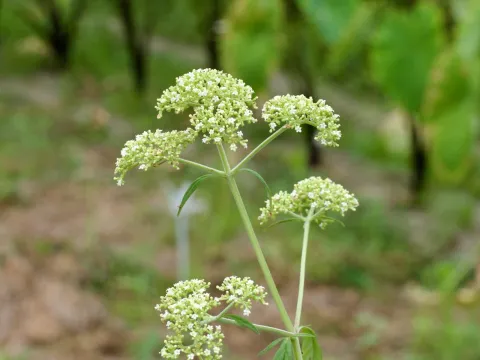
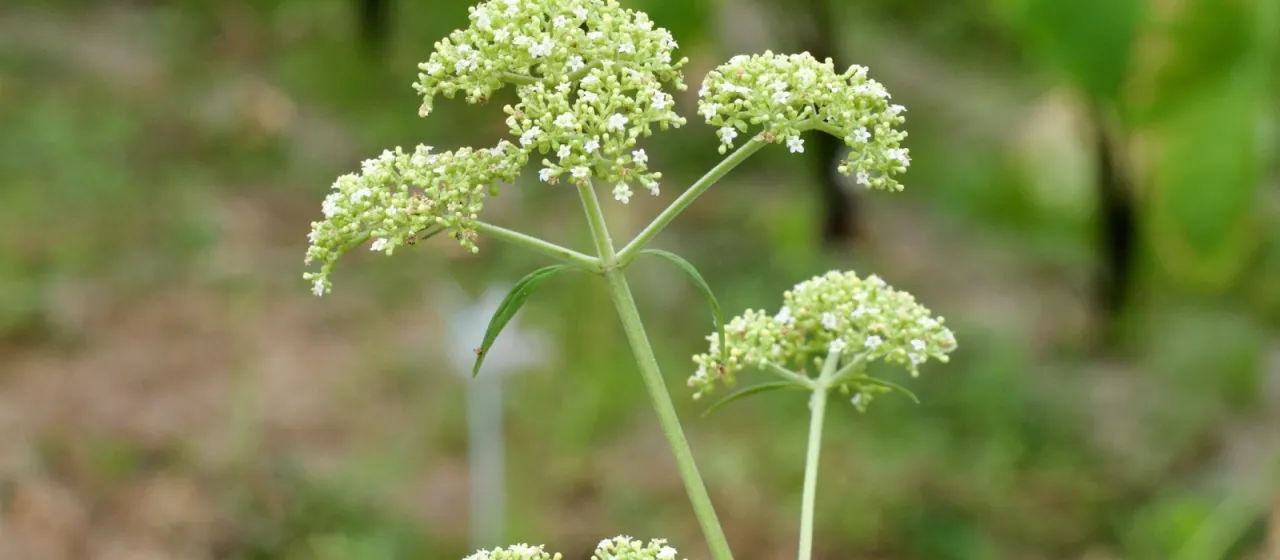
Botanically, the plant is distinguished by its erect stems covered with short, fine hairs, providing the "villosa" characteristic. The leaves are typically pinnately divided, and the plant produces clusters of small, fragrant white-to-yellowish flowers. Its root system is deep and fleshy, which is the primary part utilized in herbal medicine for its anti-inflammatory and detoxifying chemical compounds.
Cultivation practices involve direct sowing in the spring once the danger of frost has passed or via division of established rootstocks. The plant is relatively low-maintenance, requiring consistent moisture during the initial growth stages, but it becomes drought-tolerant once established. Growers should prioritize soil aeration to prevent waterlogging, as the roots are susceptible to rot if drainage is insufficient.
The agricultural importance of Patrinia villosa is tied primarily to the herbal industry, which demands high-quality, pesticide-free roots and leaves. While the plant is generally hardy, it can be affected by powdery mildew or aphids. Implementing an integrated pest management (IPM) system, including proper spacing to improve airflow and early detection, is essential for maintaining a healthy and productive crop yield throughout the season.
Photo gallery