Description
Patrinia scabiosifolia is a perennial herbaceous plant belonging to the Caprifoliaceae family. Known for its medicinal properties and ornamental value, it is characterized by its robust root system and upright growth habit, with flowering stalks that can reach over a meter in height. It is a highly regarded species in traditional herbal medicine and botanical garden collections.
The plant originates from East Asia, including regions across China, Japan, Korea, and the Russian Far East. It naturally occurs in meadows, grasslands, and forest margins. As an agricultural crop, it thrives in temperate climates where it can fully utilize the growing season to develop its dense, fibrous root mass, which is the primary part harvested for commercial purposes.
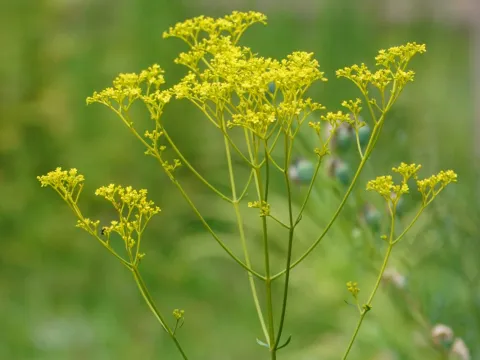
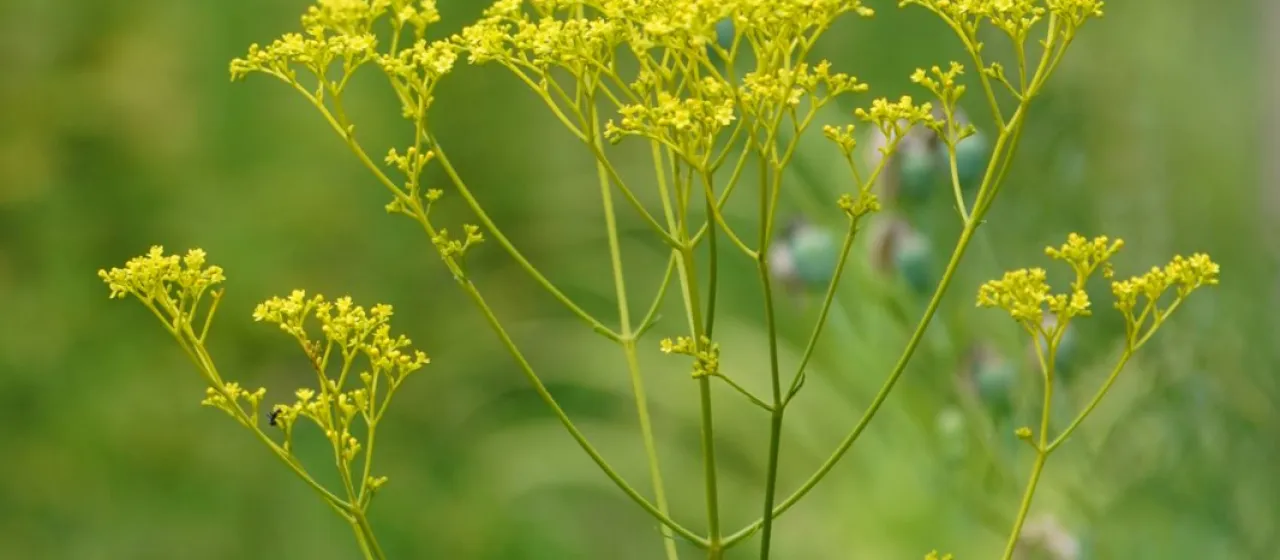
Botanically, Patrinia scabiosifolia features deeply lobed, pinnately dissected leaves and striking yellow flowers arranged in terminal corymbs. The plant’s flowering period lasts for several weeks during the summer. The root system is deep and complex, allowing the plant to tolerate varying moisture levels once it is established, though it prefers consistent growing conditions.
Successful cultivation requires well-drained, fertile soil, ideally with a neutral pH. The plant performs best in full sun but tolerates partial shade. Essential agronomic practices include:
- Preparing the seedbed to be free of perennial weeds.
- Providing adequate space between plants to ensure good air circulation.
- Applying light fertilization to promote vigorous root development.
- Maintaining soil moisture throughout the peak summer heat.
The primary господарське use of this crop is in the pharmaceutical industry, where root extracts are processed for their sedative and anti-inflammatory attributes. In agricultural settings, it is valued for its hardiness and resistance to most common pests. While it may occasionally face issues with fungal root rot if soil drainage is poor, proper crop rotation and site selection effectively mitigate these risks.
Photo gallery