Description
Pavetta schumanniana is an evergreen shrub or small tree belonging to the Rubiaceae family. As a relative of the coffee plant, it possesses structural similarities that define its aesthetic and growth habits. It is recognized primarily for its ornamental value in tropical regions, where it is utilized for its glossy foliage and striking floral displays that add significant value to landscape design.
The native range of this species is centered in East Africa, specifically within the ecosystems of Tanzania. In these regions, it thrives in woodland areas and open savannahs where it receives filtered light and stable tropical temperatures. For agricultural purposes, growers must replicate these stable environments, ensuring the plant is kept away from harsh frost and extreme temperature fluctuations that can damage its delicate growth cycle.
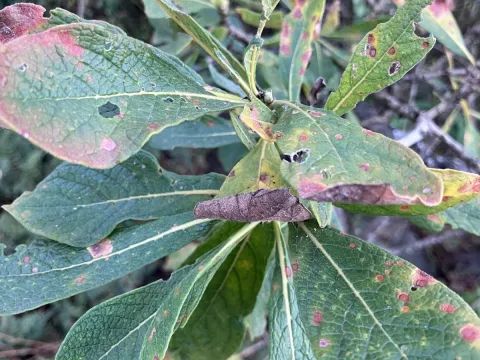
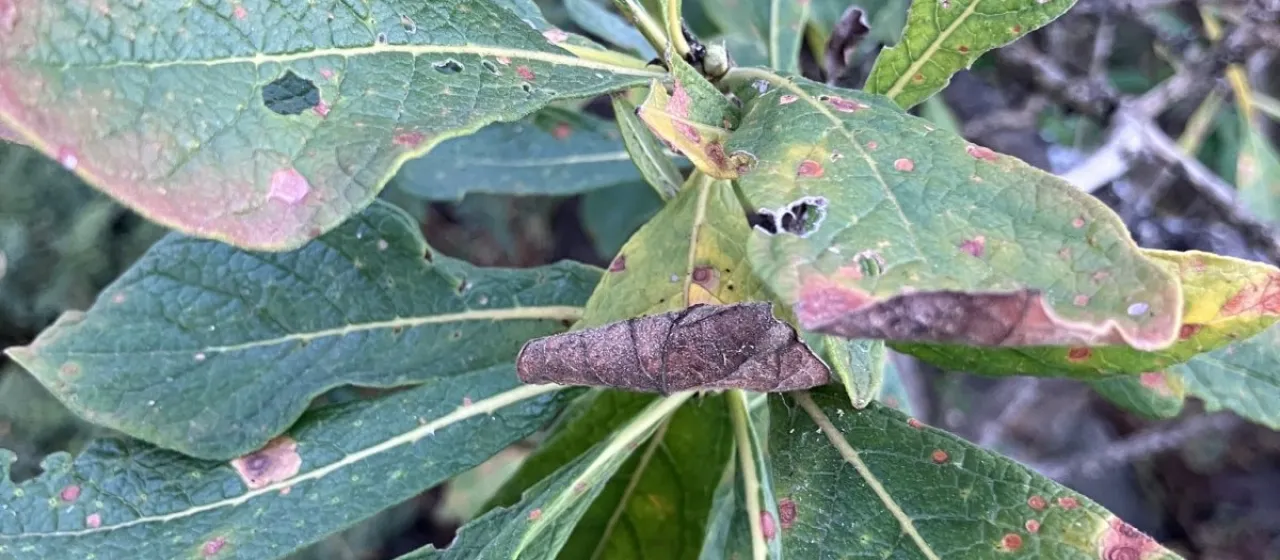
Botanically, Pavetta schumanniana is distinguished by its leathery, elliptical leaves and the presence of bacterial leaf nodules, a unique trait within the genus that helps the plant thrive in its native soil conditions. The flowers are typically white or cream-colored, arranged in terminal clusters, and feature long, protruding stamens that give the inflorescence a delicate, airy appearance. The growth pattern is generally shrubby, making it amenable to pruning.
Cultivation requirements necessitate fertile, well-draining soil with a slightly acidic to neutral pH level. Proper hydration is critical: the substrate should remain consistently moist but never waterlogged to avoid root rot. Light levels should be managed to ensure bright, indirect sunlight, as direct midday sun may scorch the foliage in lower-humidity environments. Regular fertilization with a balanced mix during the active growing season will promote vigorous development.
In terms of management, the main economic interest lies in ornamental horticulture and botanical study. Disease control focuses primarily on preventing fungal infections caused by high humidity through adequate ventilation. Common pests include spider mites and mealybugs, which are effectively managed through regular scouting and the use of targeted biological or chemical control agents. Careful attention to these practices ensures the longevity and health of the shrub.
Photo gallery