Description
Pavonia repanda is an herbaceous or semi-shrubby plant belonging to the Malvaceae family. In agricultural practice, this species is recognized for its potential as a source of high-quality vegetable fiber. Its physical characteristics, including tensile strength and elasticity, make it a subject of interest for sustainable textile and fiber manufacturing industries.
The plant originates from the tropical and subtropical regions of South America. Its natural habitat is characterized by high humidity levels and warm temperatures throughout the year. Understanding this origin is essential for successful cultivation in other regions, as the plant requires stable environmental conditions to maximize its biomass production and fiber yield.
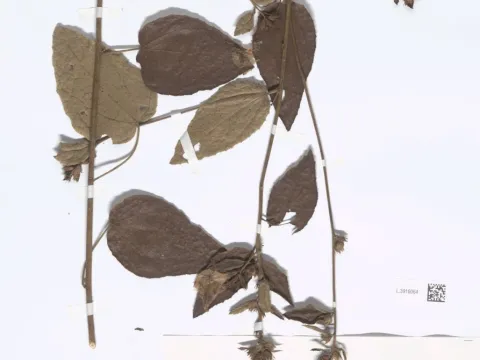
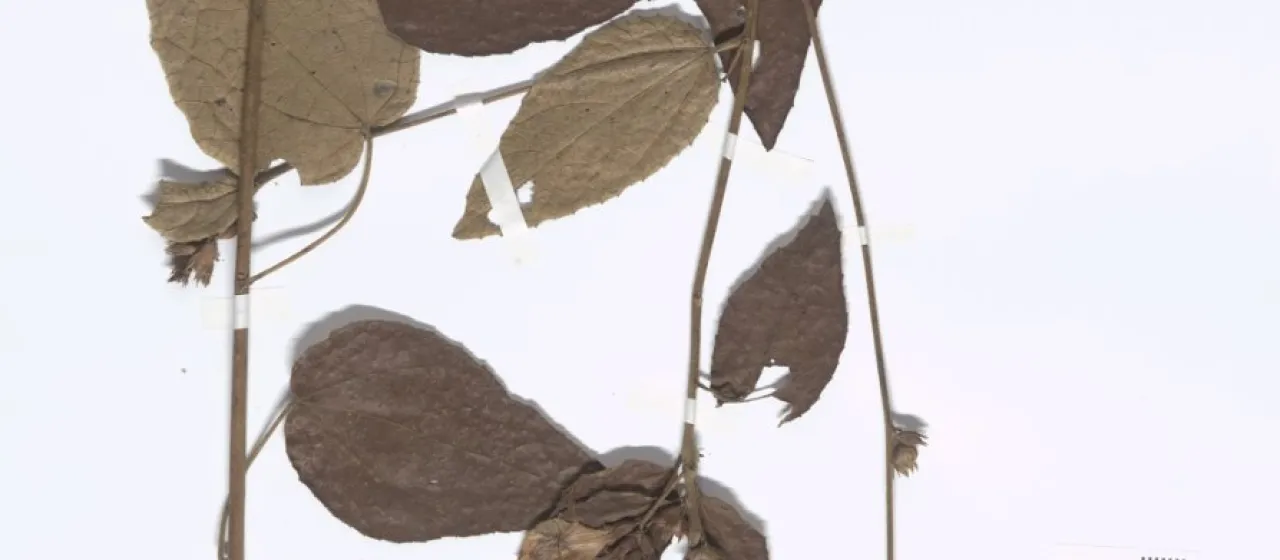
Botanically, Pavonia repanda is distinguished by its straight, fibrous stems and leaves with distinct serrated or wavy margins. The reproductive organs typical of the mallow family facilitate pollination, leading to the formation of seeds that can be used for propagation. The plant's vegetative structure is evolved to capture sunlight efficiently in dense growth environments.
Cultivation requirements involve fertile, well-drained soils with a high capacity for moisture retention. The crop is particularly sensitive to waterlogging, which can impede root development and promote fungal pathogens. In terms of agronomy, consistent irrigation and a balanced fertilization program—emphasizing nitrogen for vegetative growth—are crucial for achieving economic viability in crop production.
The primary agricultural use is the extraction of bast fibers for industrial applications. Farmers must remain vigilant against pests such as the cotton leafworm and various spider mites, which are prevalent in related species of the Malvaceae family. Integrated pest management, including crop rotation and monitoring, is recommended to minimize chemical input and ensure sustainable fiber production.
- Requires warm climate without frost.
- Significant demand for organic matter in the soil.
- Mechanical harvest is feasible at full maturity.
- High potential for sustainable industrial fiber applications.
Photo gallery