Description
Pavonia sepium is a perennial shrub belonging to the Malvaceae family. Recognized for its unique growth habit and aesthetic appeal, it represents an interesting subject within the diverse group of mallow species. Its woody stems and foliage make it a notable specimen in botanical collections located in tropical and subtropical climates.
The plant originates from South American ecosystems, specifically within Brazil. It thrives in regions characterized by high humidity and consistent temperatures throughout the year. Its geographic distribution is strictly limited by its thermal requirements, as it lacks the physiological adaptation to survive frost or extended cold periods.
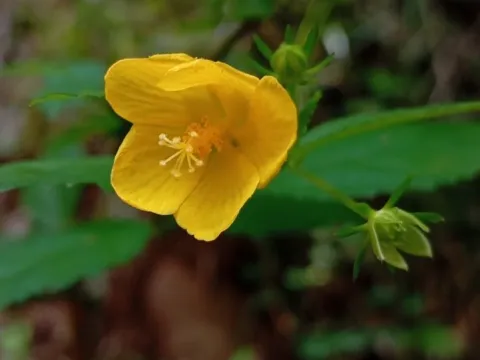
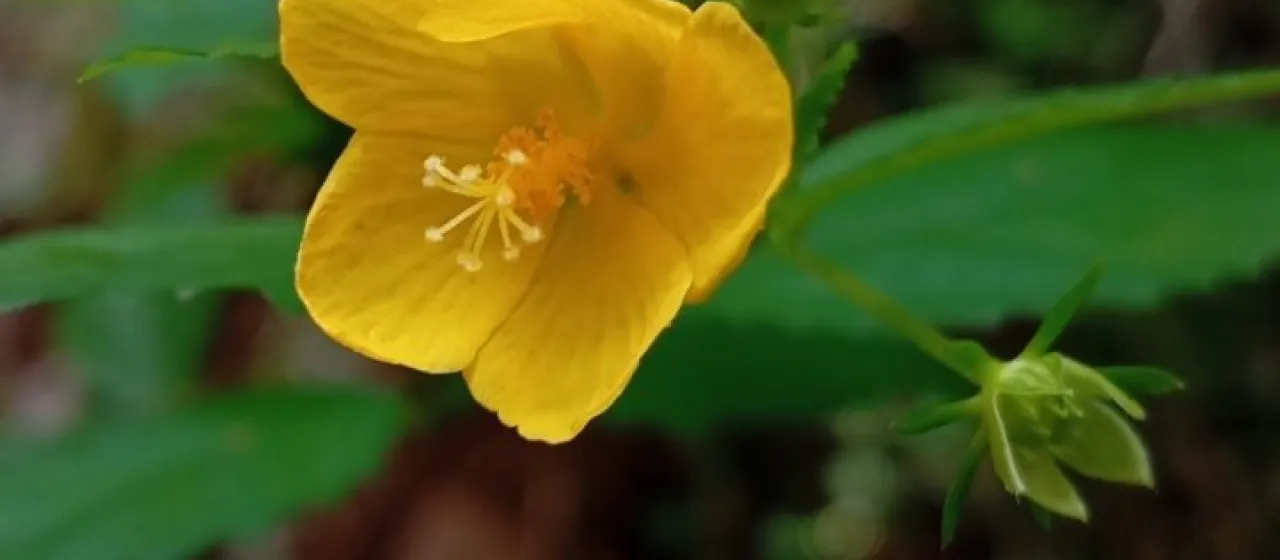
From a botanical perspective, the plant is identified by its alternate, often serrated leaves and distinct floral structures typical of the Malvaceae family. The flowers generally feature five petals with a prominent central column, which is a classic taxonomic trait. The plant is structurally robust, often forming dense thickets when left in its natural habitat.
Agrotechnical requirements for Pavonia sepium are centered around soil management and climate control. It prefers well-drained, nutrient-rich soils with a slightly acidic to neutral pH. Proper spacing is essential to ensure adequate air circulation, which helps in preventing the onset of humidity-related pathogens. Irrigation should be balanced to maintain soil moisture without inducing root rot.
Its primary use is ornamental, frequently employed in landscape design for hedge creation or garden accents in tropical climates. Beyond aesthetics, the species is valuable for its genetic traits. Common diseases include fungal leaf spots, while major pests include aphids and spider mites, which can be managed through integrated pest management (IPM) practices and careful monitoring of plant health.
Photo gallery