Description
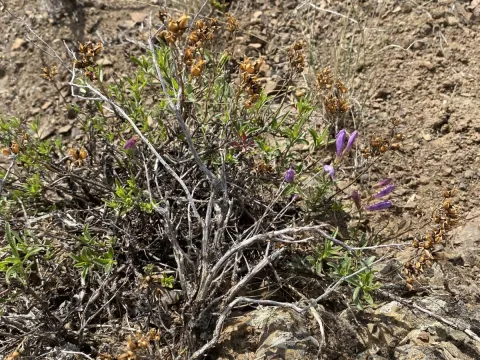
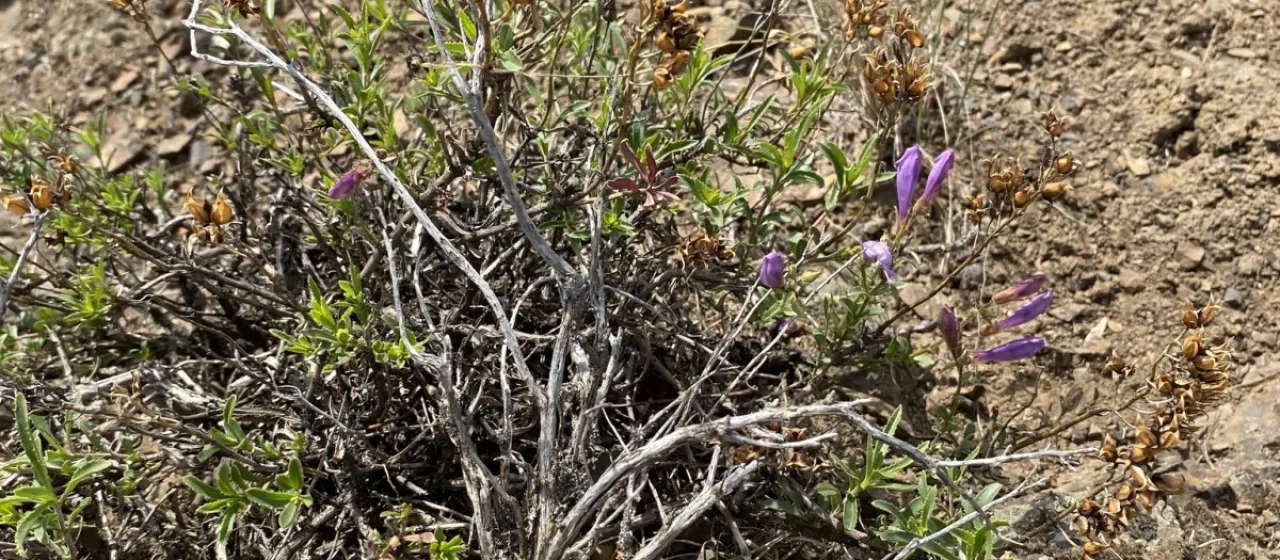
Shrubby penstemon (Penstemon fruticosus) is a prostrate, evergreen or semi-evergreen subshrub belonging to the Plantaginaceae family. Renowned for its low-growing habit and profuse, trumpet-shaped flowers, it serves as a staple plant for rock gardens, retaining walls, and alpine-style landscape designs.
The species is native to the Pacific Northwest of North America, where it thrives in diverse environments ranging from rocky cliffs to open forest slopes. This ecological background has equipped the plant with significant hardiness, allowing it to withstand extreme temperature fluctuations and survive in nutrient-poor, gritty soils typical of high-altitude habitats.
Botanically, it features woody stems that spread horizontally, often forming mats no taller than 30 centimeters. The leaves are serrated, lanceolate, and leathery in texture. In late spring to early summer, the plant produces large, vibrant flowers ranging from light lavender to deep violet-blue, which are highly attractive to pollinators such as bees and hummingbirds.
Success in cultivation depends primarily on site selection and soil texture. It requires full sun and extremely well-drained soil, preferably of a rocky or sandy composition. It is essential to avoid sites with heavy clay or poor drainage, as the roots are highly susceptible to rot when kept in consistently wet conditions throughout the winter months.
Maintenance is minimal once the plant is established. However, growers should be vigilant against common issues like powdery mildew, which can occur if airflow is poor, and root rot caused by excessive humidity. To maintain vigor, it is recommended to prune back the spent flower spikes after blooming, which helps encourage a denser habit and potentially improves cold hardiness for the following season.
Photo gallery