Description
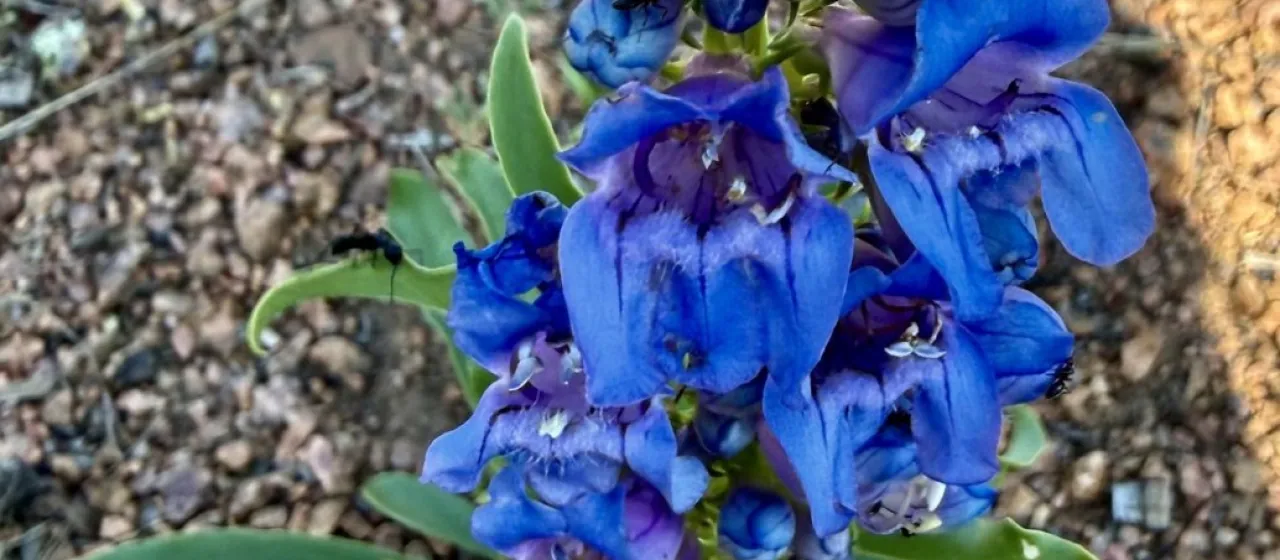
Smooth penstemon (Penstemon glaber) is a robust perennial flowering plant belonging to the Plantaginaceae family. It is widely recognized for its high ornamental value, featuring vibrant, tubular blossoms that add a distinct aesthetic appeal to meadows, rock gardens, and perennial borders in various agricultural landscapes.
Native to the North American prairies and rocky slopes, this plant has adapted to diverse climatic zones with significant temperature fluctuations. Its natural habitat suggests a high degree of resilience, making it a suitable choice for cultivation in regions that experience harsh winters and dry, warm summer conditions.
Botanically, Penstemon glaber is characterized by its erect stems that typically reach a height of 30 to 60 centimeters. The foliage consists of smooth, lance-shaped, opposite leaves. The primary ornamental feature is the dense, terminal raceme of bright blue or violet flowers, which are highly attractive to pollinators such as bees and hummingbirds.
Agronomically, this species thrives in well-drained, sandy, or rocky soils. It is highly intolerant of waterlogged conditions, which are the primary cause of root failure. For optimal growth, it requires full sun exposure and minimal soil amendment, as the plant is adapted to naturally low-fertility soils found in its native prairie environment.
Regarding pest and disease management, the smooth penstemon is relatively hardy but can be susceptible to common issues if grown in improper conditions. Fungal diseases such as powdery mildew or root rot are typical when humidity is high or drainage is insufficient. Integrated pest management strategies should focus on monitoring for aphids and spider mites during the peak growing season to ensure plant vigor.
Photo gallery