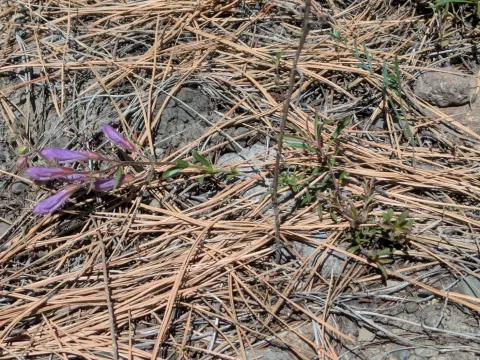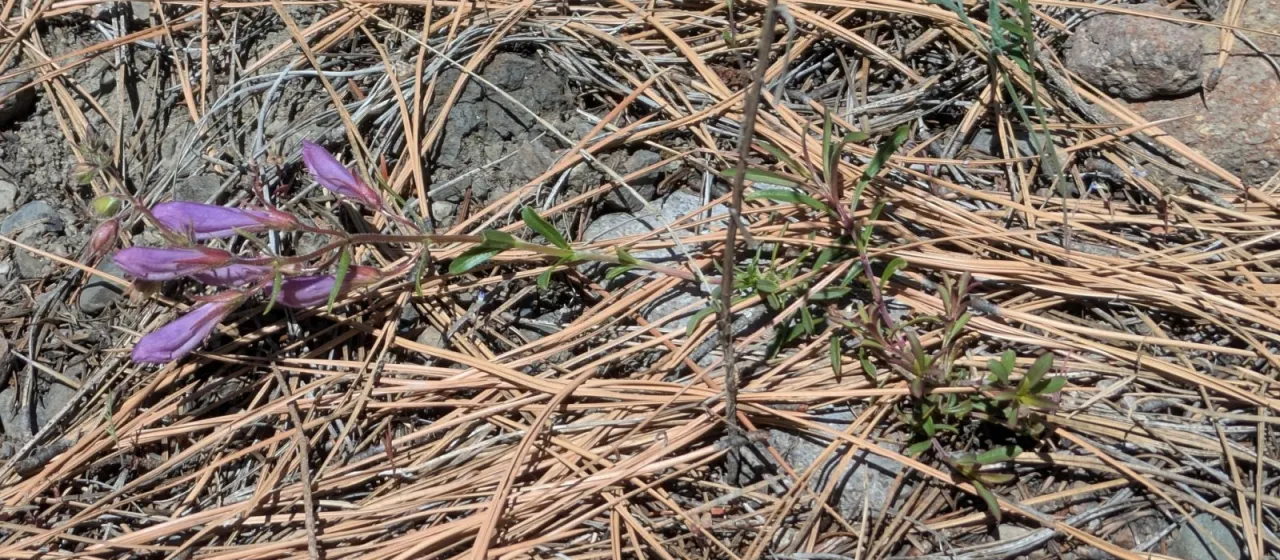
Description
Scouler's penstemon (Penstemon scouleri) is an attractive subshrub perennial belonging to the family Plantaginaceae. This species is highly valued in horticulture for its dense growth habit and vibrant, tubular flowers, which make it an excellent choice for rockeries and alpine displays.
Native to the Pacific Northwest of North America, this plant is naturally adapted to rocky slopes, cliffs, and open woodland edges. This origin explains its resilience and preference for environments with excellent drainage and full sun, as it is accustomed to the harsh conditions of its mountainous habitat.
Botanically, Penstemon scouleri is characterized by woody base stems and serrated, semi-evergreen leaves. The flowers appear in clusters, typically displaying shades of lavender, pink, or purple. The foliage remains relatively compact, making it a perfect plant for creating ground cover or filling crevices in rock garden designs.
To successfully grow Scouler's penstemon, the gardener must prioritize soil drainage. In cultivation, it thrives in gritty, nutrient-poor, but well-draining soil. It is essential to avoid overly fertile soils or heavy clays that retain moisture, as these can easily lead to root rot during the dormant season.
Maintenance practices for this plant include:
- Pruning after flowering to encourage dense, bushy growth for the following season.
- Minimal fertilization, as excessive nutrients can lead to "leggy" growth and reduced longevity.
- Providing winter protection in colder regions if the soil remains excessively damp.
The primary use of Scouler's penstemon is ornamental. It is widely used in xeriscaping and sustainable garden projects because it requires very little water once established. Its ability to thrive in challenging, rocky sites makes it a versatile tool for landscape architects and home gardeners alike.
Regarding health, the plant is generally robust. However, it is susceptible to fungal issues such as powdery mildew or root pathogens when environmental conditions are too humid or stagnant. Proper spacing to ensure adequate air circulation and careful monitoring of irrigation levels are the best strategies to maintain plant health throughout the year.
Photo gallery