Description
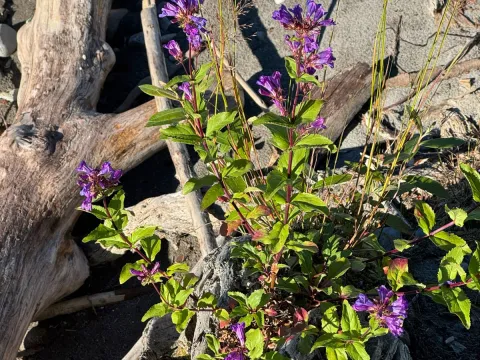
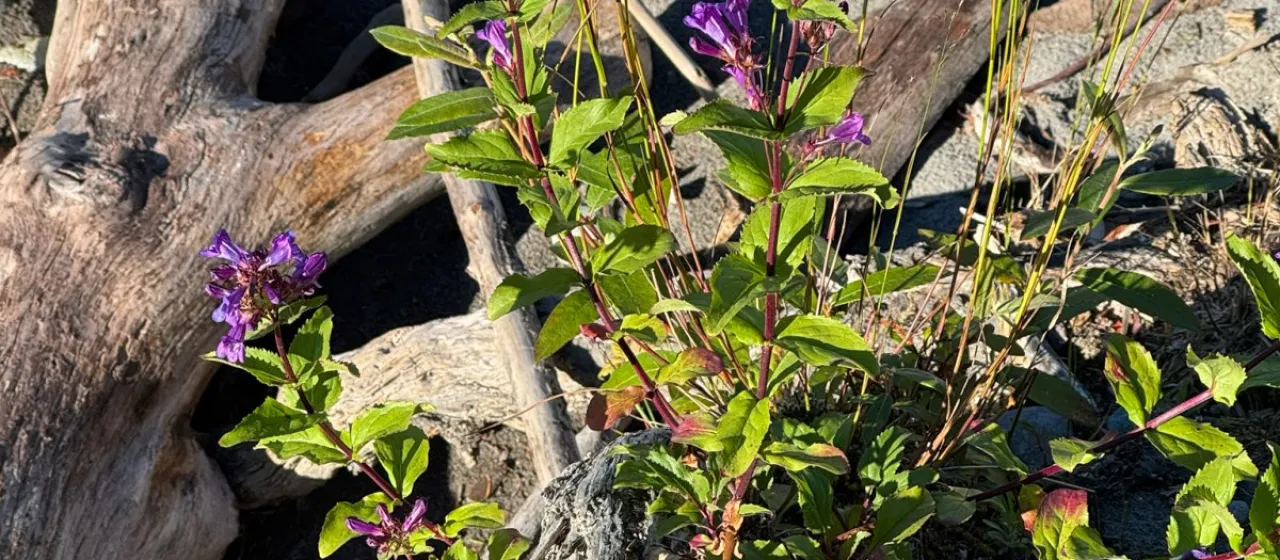
Cascade Penstemon (lat. Penstemon serrulatus) is a herbaceous perennial plant belonging to the Plantaginaceae family. Known for its lush, bell-shaped flowers and attractive serrated foliage, this species is highly regarded in horticulture for its versatility in rock gardens, borders, and naturalized landscapes.
Native to the Pacific Northwest of North America, this plant is naturally adapted to mountain meadows and rocky slopes. Because of its origin, it thrives in environments with cool summers and adequate moisture, showing remarkable resilience when planted in suitable geographical zones that mimic its native habitat conditions.
Botanically, it typically reaches a height of 1–2 feet. The leaves are distinctly serrated along the edges, providing ornamental interest even when the plant is not in bloom. The flowers are generally arranged in terminal clusters, showcasing vibrant shades ranging from deep blue to purple, which effectively attract bees, butterflies, and other pollinators to the garden.
The cultivation requirements for Penstemon serrulatus include a well-draining soil mix that prevents water stagnation, which is critical for root health. It favors full sun to partial shade, though providing some protection from intense afternoon sun in hotter climates helps maintain the foliage's vigor and color saturation throughout the growing season.
When it comes to maintenance and pest management, the species is relatively low-maintenance but requires careful monitoring for common threats. Root rot can occur in heavy, waterlogged soils, while pests like aphids or spider mites may occasionally affect the plant. Proper spacing to ensure airflow and periodic inspections are essential practices for maintaining a healthy and robust display of flowers.
Photo gallery