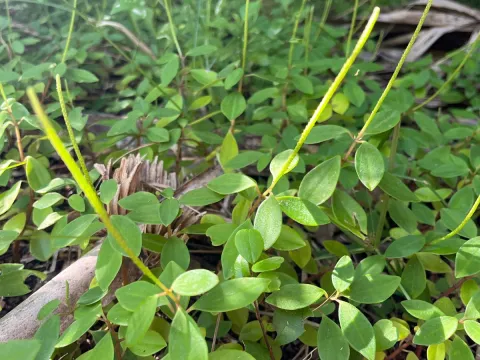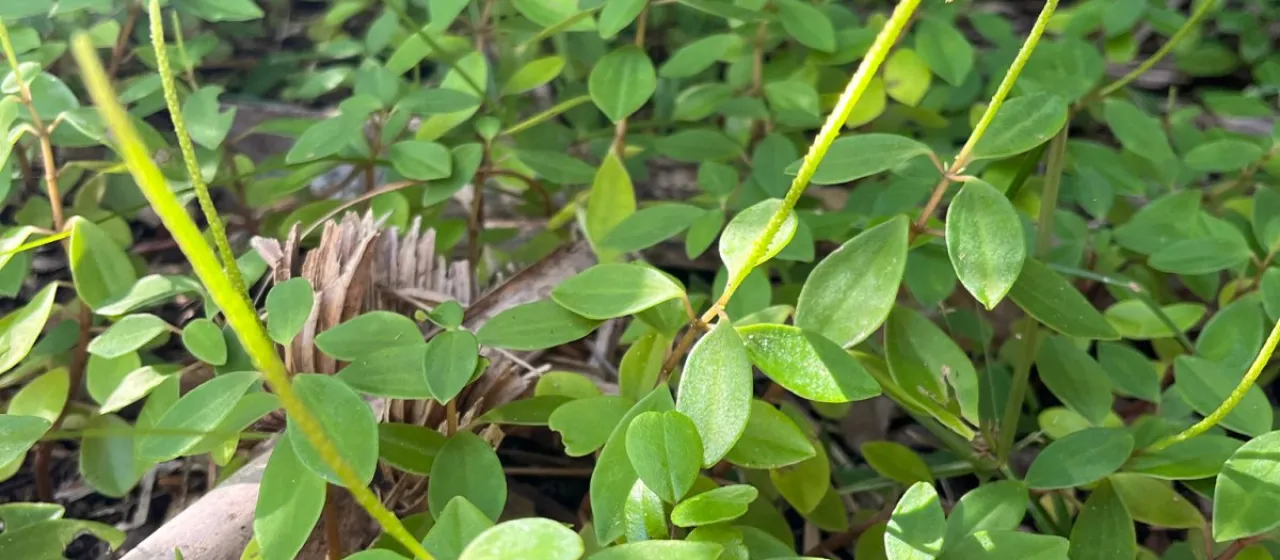
Description
Peperomia humilis is an ornamental plant belonging to the Piperaceae family. It is a compact, slow-growing herbaceous perennial widely recognized in the horticultural industry for its attractive foliage and adaptability to indoor environments, making it a staple crop for nurseries specializing in ornamental plants.
The species originates from the tropical regions of Central and South America. In its natural habitat, it functions as an understory epiphyte or lithophyte, thriving in humid, shaded environments. This evolutionary history dictates its preference for dappled sunlight and consistently high ambient humidity, which are essential factors for commercial production.
Botanically, Peperomia humilis is characterized by its succulent, fleshy stems and patterned leaves, which serve as water-storage organs. The plant develops a shallow root system, necessitating the use of specialized, lightweight growth media that prevent compaction and allow for proper aeration and drainage to maintain root health.
Successful cultivation requires strict adherence to environmental parameters, specifically a temperature range of 20°C to 25°C. The soil should be a well-draining mix, typically composed of peat moss, perlite, and pine bark. Over-irrigation is the most significant challenge in the commercial production of this species.
The primary economic use of this culture is in the houseplant market, valued for its low maintenance and aesthetic variety. Disease management is critical, as the plant is susceptible to fungal infections such as root rot and leaf spot. Pest control programs generally target mealybugs and spider mites using integrated pest management strategies.
Photo gallery