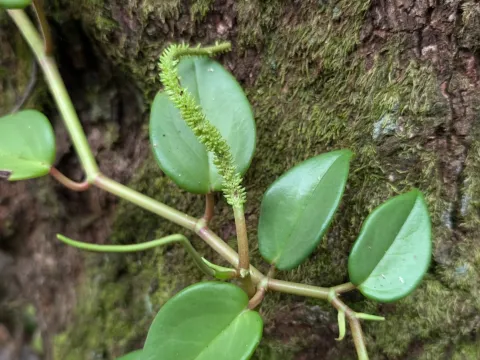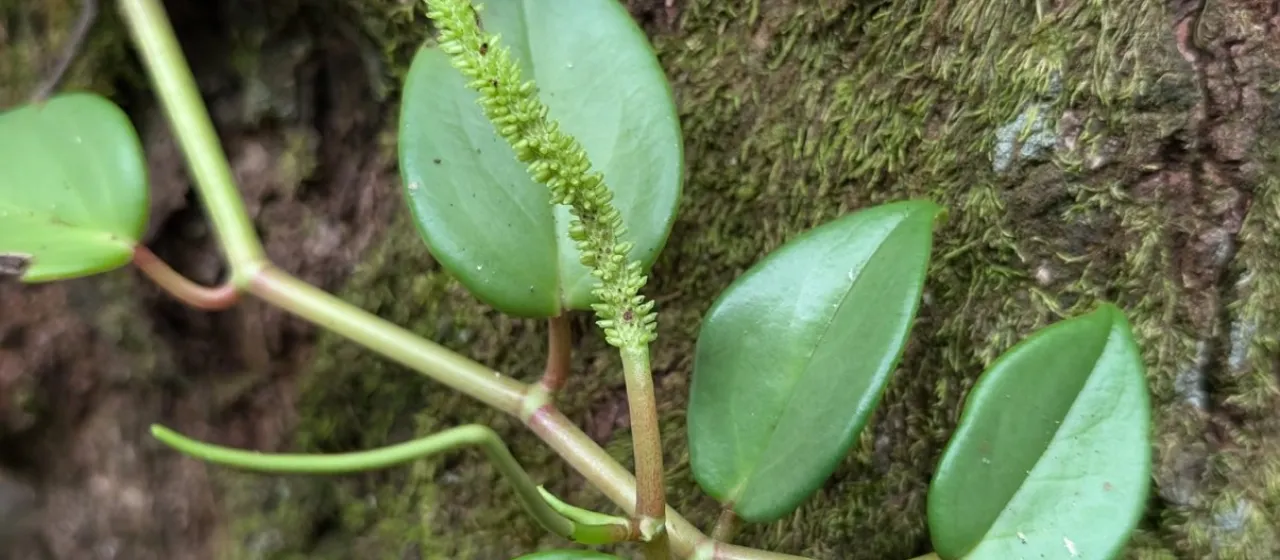
Description
Peperomia nitida is a perennial herbaceous plant belonging to the Piperaceae family. Often cultivated for its compact size and attractive foliage, this plant serves as a popular choice for both interior landscaping and specialized greenhouse collections, providing a touch of tropical elegance to various environments.
Originating from the tropical and subtropical regions of Central and South America, this species has evolved in the understory of dense forests. This evolutionary background makes the plant highly adaptable to indirect light conditions and requires a consistent environment to thrive away from its native habitat.
The botanical structure of Peperomia nitida is characterized by fleshy stems and glossy, succulent-like leaves. Its root system is relatively shallow, which dictates specific container requirements—typically requiring well-draining pots to ensure that oxygen reaches the roots and to prevent stagnation that could lead to decline.
Agrotechnical management requires a porous, well-aerated soil mix that balances moisture retention with efficient drainage. Water management is the most critical factor; the substrate should be allowed to dry slightly between waterings to prevent the development of root rot, which is the most common cause of failure in cultivating this variety.
- Temperature: Maintain between 65°F and 80°F (18–27°C).
- Lighting: Bright, indirect light; protect from harsh direct sun.
- Watering: Moderate; allow the top inch of soil to dry out.
- Fertilization: Balanced liquid fertilizer during the active growing season.
Common pests include mealybugs and spider mites, which are generally associated with dry indoor air. Diseases such as fungal leaf spot and root rot are primarily linked to improper moisture levels. Maintaining hygiene and providing adequate air circulation around the plants is essential for long-term health and disease prevention.
Photo gallery