Description
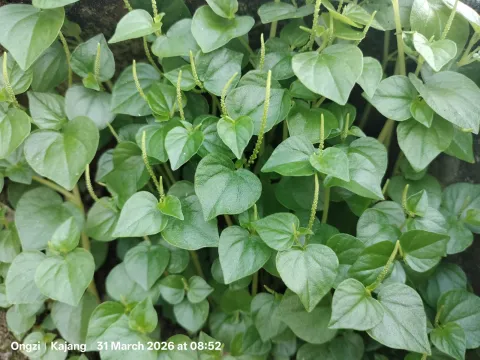
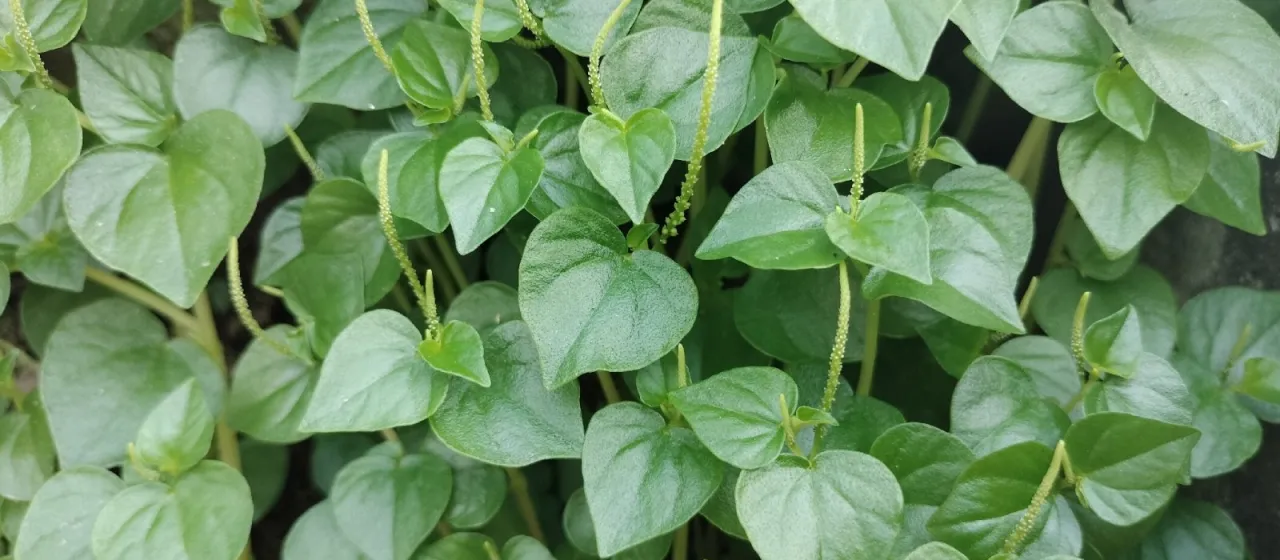
Peperomia pellucida, commonly known as shiny bush or pepper elder, is an annual herbaceous plant belonging to the Piperaceae family. It is recognized for its succulent, heart-shaped, glossy leaves and delicate stem structure. The plant typically reaches heights of up to 40 centimeters.
The species is native to the tropical regions of the Americas but has successfully naturalized throughout the tropics worldwide. It thrives in humid, shaded environments, often colonizing disturbed soils, garden patches, and shaded riverbanks, where it grows as a opportunistic ground cover.
Botanically, the plant is characterized by its fleshy, translucent appearance, from which the name "pellucida" is derived. It produces minute flowers arranged on slender, spike-like inflorescences. Its root system is shallow and fibrous, making it efficient at absorbing surface-level nutrients from moist soil environments.
Cultivation requires specific environmental parameters: high humidity, moderate temperatures (typically between 20°C and 28°C), and well-draining, nutrient-rich soil. Direct sunlight should be avoided to prevent foliar damage. Consistent soil moisture is critical; however, drainage is essential to prevent root rot, which is a major agronomic concern.
Economically, Peperomia pellucida is primarily utilized in herbal medicine for its anti-inflammatory and analgesic properties. Agronomic management involves monitoring for fungal pathogens and common pests like spider mites or nematodes, which can significantly impact yield in high-density plantings.
- Propagation: Seeds or stem cuttings
- Soil pH: Slightly acidic to neutral
- Humidity: Prefers high ambient humidity
- Harvesting: Hand-harvested for medicinal use
Photo gallery