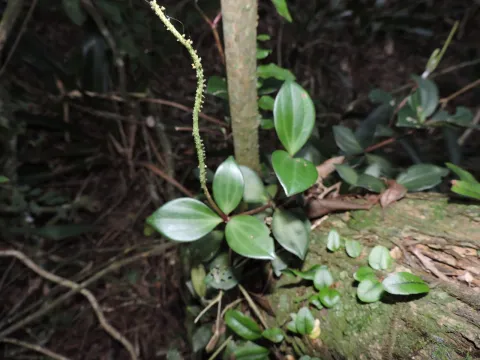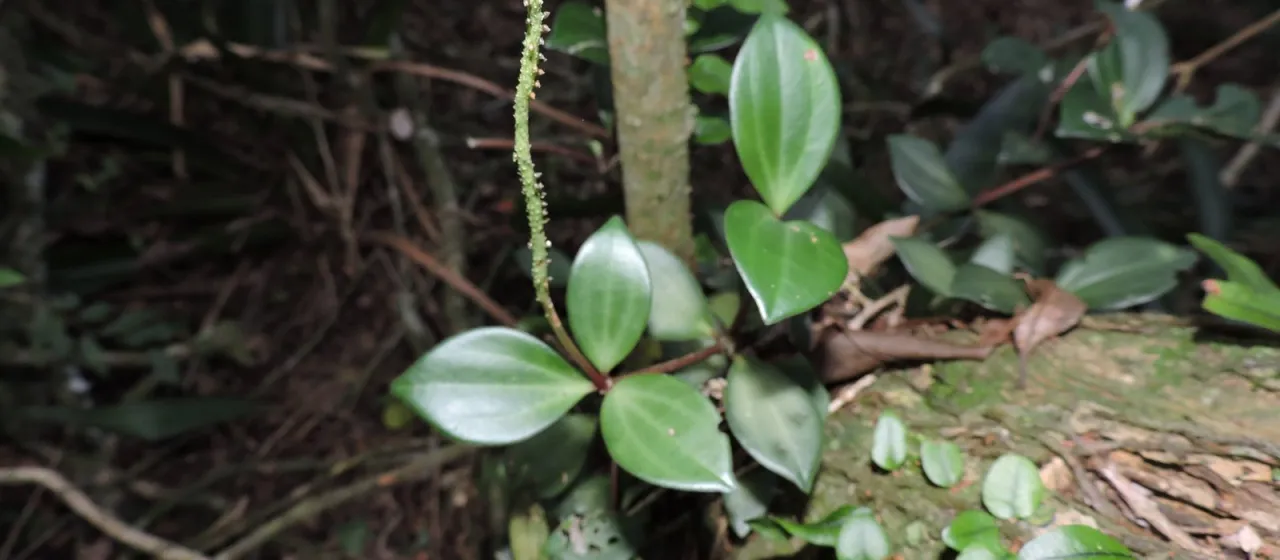
Description
Peperomia pereskiifolia is a perennial herbaceous plant belonging to the Piperaceae family. Within the horticultural sector, it is primarily categorized as a specialty ornamental crop managed under controlled environment agriculture, prized for its succulent foliage and ability to thrive in interior landscapes.
The plant originates from the tropical rainforests of Central and South America. In its natural habitat, it acts as an epiphyte or lithophyte, colonizing areas with high humidity and filtered sunlight, which significantly informs its requirements when grown as a controlled agricultural crop.
Botanically, the species is defined by its succulent stems and elliptical, leather-like leaves that exhibit distinct venation patterns.
- Stems are often reddish and display a semi-prostrate growth habit.
- Leaves are thick, helping to store moisture during dry intervals.
- Inflorescences develop as slender, spike-like structures characteristic of the genus.
- Root architecture is fine, requiring specific substrate aeration.
Successful cultivation requires a climate with consistent temperatures between 20°C and 25°C and protection from intense direct solar radiation. The primary agronomic focus is on substrate management; a porous, well-draining media is essential to prevent anaerobic conditions in the root zone, which are fatal to the crop.
The main commercial application of Peperomia pereskiifolia is in the ornamental plant trade, specifically for interior design and ornamental greenhouse production. The crop is susceptible to various fungal pathogens under high humidity and poor ventilation, and standard pest management involves monitoring for mealybugs, thrips, and spider mites.
Photo gallery