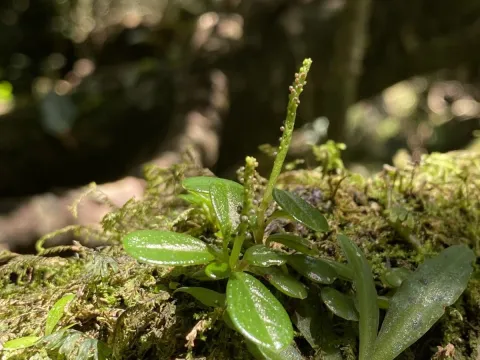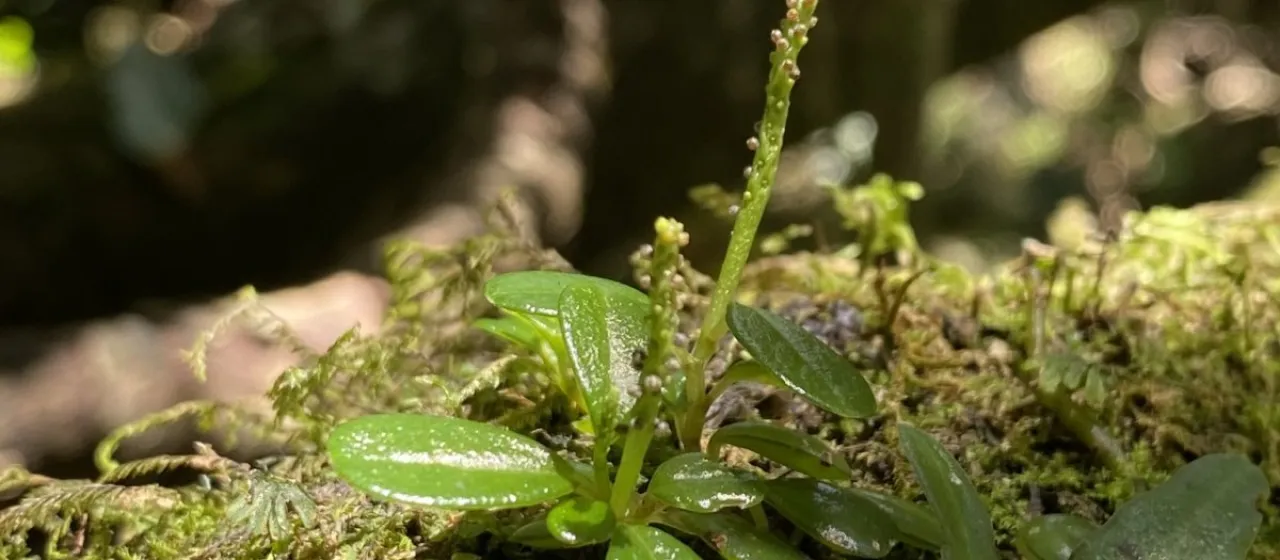
Description
Peperomia retusa is a distinctive perennial herb belonging to the Piperaceae family. Within the horticultural sector, it is highly regarded as an ornamental plant, prized for its robust structure, foliage quality, and high suitability for indoor environments, making it a staple for interior greening projects.
The species is native to the tropical and subtropical regions of Central and South America. In its natural habitat, it typically grows in humid forest environments as an epiphyte or lithophyte, clinging to tree bark or rocky surfaces. Understanding this origin is essential for recreating the optimal microclimate required for successful cultivation.
Botanically, Peperomia retusa is defined by its succulent-like, fleshy leaves, which often display a characteristic notched tip. The stems can be prostrate or semi-erect, forming dense clusters. These morphological features allow the plant to store moisture efficiently, granting it a level of resilience that is highly valued by both novice and professional growers.
The agronomic requirements focus on maintaining high-quality drainage and avoiding waterlogged substrates, which are the primary causes of root decay. The plant thrives in well-aerated, slightly acidic soil mixes. Temperature should remain consistent, ideally between 18°C and 25°C, and the plants should be protected from harsh, direct sunlight to prevent leaf scorch.
- Soil: Well-draining potting mix with added perlite or bark.
- Watering: Allow the top third of the soil to dry between waterings.
- Light: Bright, indirect light or filtered sunshine.
- Maintenance: Remove dead foliage to promote growth.
- Diseases: Root rot, fungal leaf spots.
- Pests: Mealybugs, spider mites, aphids.
The economic value of this culture lies primarily in the ornamental horticulture industry. It is widely utilized for decorative purposes in residential and commercial spaces, including vertical gardens and container arrangements. Its ease of propagation and consistent visual appeal make it a reliable and profitable crop for nursery producers.
Photo gallery