Description
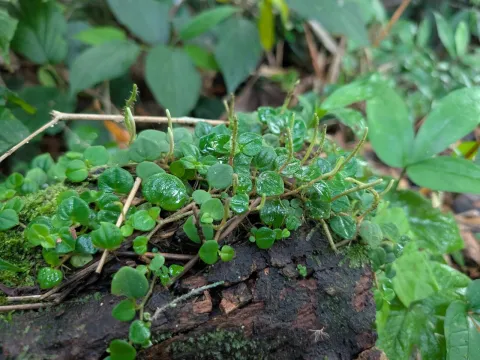
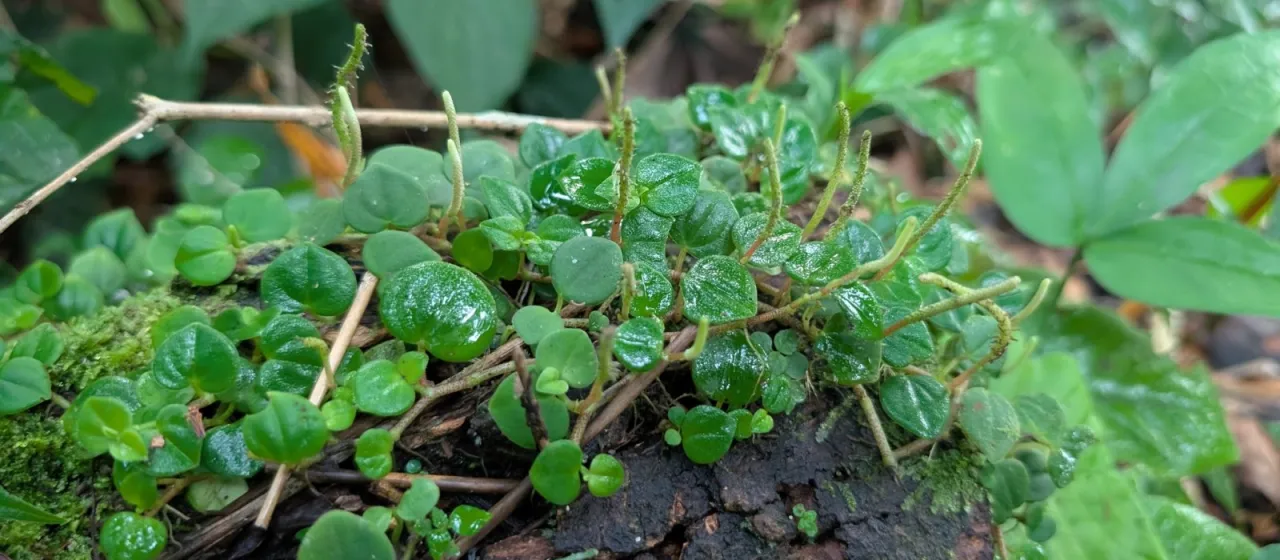
Peperomia serpens is a perennial herbaceous plant species belonging to the Piperaceae family. In agricultural and horticultural practices, it is categorized as a popular ornamental foliage crop, widely cultivated for its versatile use as a trailing or ground-cover plant in indoor environments and vertical greening systems.
The plant originates from the tropical and subtropical regions of Central and South America. In its natural habitat, it predominantly functions as an epiphyte, growing on decaying organic matter or tree trunks, which explains its evolutionary preference for humid, shaded, and nutrient-rich environments with excellent air circulation.
Botanically, the species is defined by its fleshy, heart-shaped leaves and long, flexible stems. It possesses a shallow root system, which necessitates the use of well-draining, aerated growing media. The plant exhibits high vegetative vigor, allowing it to easily propagate through stem cuttings, which is a standard horticultural practice for this crop.
The cultivation requirements focus on mimicking a tropical microclimate. Optimal growth is achieved at temperatures between 20°C and 25°C, with bright, indirect sunlight. The soil substrate should be kept consistently moist but not waterlogged, as the plant is highly sensitive to root asphyxiation caused by poor drainage.
Key management strategies include monitoring for specific biological threats and physiological disorders common to the Piperaceae family:
- Pest pressure from mealybugs and spider mites.
- Root rot caused by over-irrigation or cold, wet soil.
- Chlorosis and leaf dropping due to inconsistent watering or low ambient humidity.
Photo gallery