Description
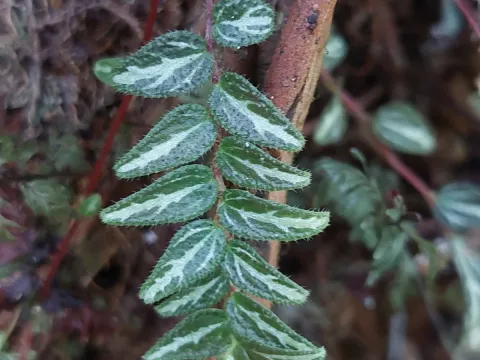
Slender peperomia (Peperomia tenella) is a delicate herbaceous plant belonging to the large Piperaceae family. Unlike many other species in the genus, this plant is notable for its tiny foliage and trailing growth habit, making it a highly desirable choice for terrarium hobbyists and indoor garden displays where it creates a lush, moss-like appearance.
The species originates from the tropical rainforests of Central and South America. In its natural habitat, it typically grows as an epiphyte on tree trunks or on damp, shaded forest floors. Because of its specific ecological needs, it is primarily cultivated in greenhouses, conservatory settings, or within controlled indoor environments where high humidity can be maintained.
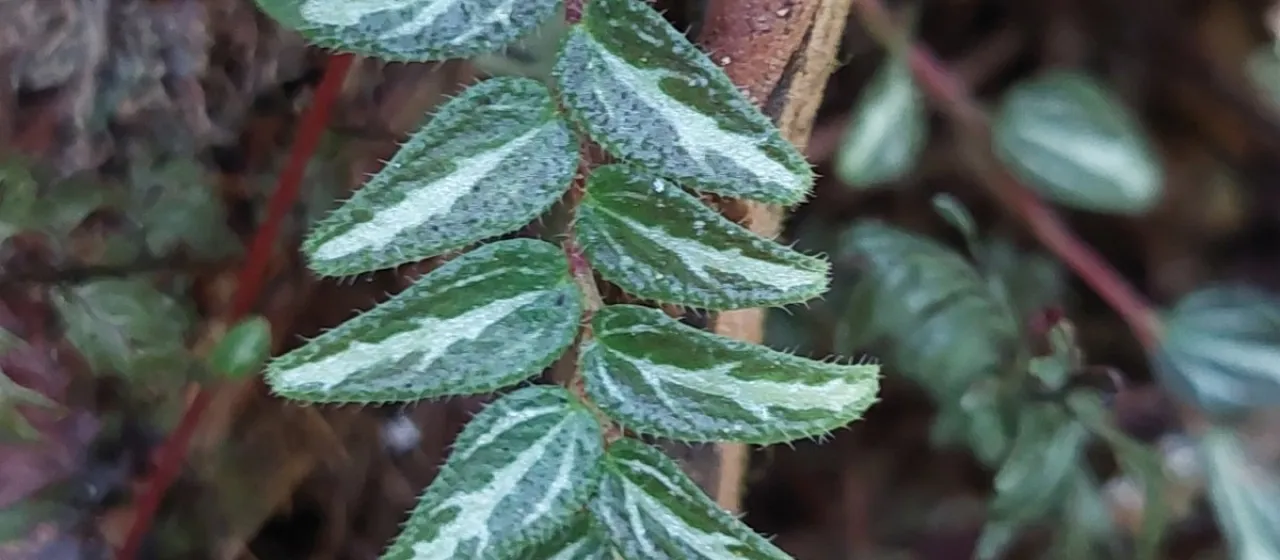
Botanically, it features thread-like, often reddish stems that are highly branched and creep along the substrate. The leaves are small, ovate, and arranged in pairs, possessing a fragile structure that requires protection from mechanical damage. The root system is shallow and sensitive, reflecting the plant's adaptation to growing in thin layers of organic matter on bark or rocks.
Successful cultivation requires a well-draining, acidic, and organic-rich soil mix, often incorporating peat, perlite, and shredded bark. It thrives in bright, indirect light and demands high ambient humidity. Direct sunlight should be strictly avoided as it can cause rapid dehydration and scorching of the delicate, thin leaves, which have little water-storage capacity compared to succulent peperomias.
In terms of economic and horticultural use, Peperomia tenella is primarily valued as an ornamental ground-cover for indoor landscapes. It is susceptible to pests such as spider mites and mealybugs, especially if the air becomes too dry. Root rot, caused by waterlogged soil, is the most common health issue, highlighting the importance of balancing moisture with excellent aeration.
- Maintain temperatures between 20°C and 25°C.
- Use distilled or rainwater for irrigation.
- Ensure high levels of humidity.
- Propagate easily via stem cuttings.
Photo gallery