Philodendron hastatum
Philodendron hastatum
Description
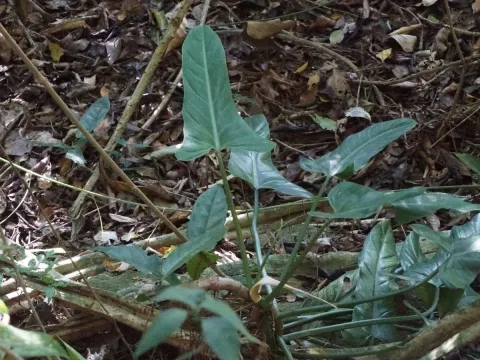
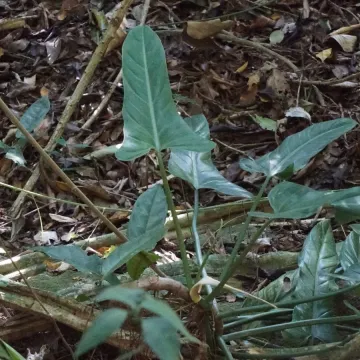
Philodendron hastatum is a stunning ornamental species belonging to the Araceae family. Recognized for its unique, lance-shaped or spear-like foliage, this plant is a staple for foliage enthusiasts who appreciate its structural elegance and vigorous vertical growth habit.
Originating from the dense, humid rainforests of Brazil, this species naturally occurs as an epiphyte. It utilizes its aerial roots to climb along tree trunks in the forest canopy, adapting to dappled light conditions. This natural history makes it a highly resilient candidate for indoor cultivation where it can mimic its native climbing behavior.
Botanically, the plant is characterized by its large, leathery, arrow-shaped leaves which can reach significant dimensions when given adequate space and support. The stems are sturdy and produce prominent aerial roots at the nodes, which are vital for nutrient absorption and physical stability when provided with a moss pole or trellis.
Cultivation requirements necessitate a warm environment with temperatures ideally between 20°C and 25°C. High humidity levels are crucial to maintain leaf quality and prevent the edges from drying out. A well-draining, chunky soil mix consisting of orchid bark, perlite, and high-quality peat is recommended to provide oxygen to the root system and prevent rot.
In terms of хозяйственное usage, Philodendron hastatum serves primarily as a decorative horticultural crop for high-end interior landscaping. Its ability to thrive in filtered light makes it suitable for office environments and residential indoor spaces. As with most aroids, growers should exercise caution, as the plant contains calcium oxalate crystals which are toxic if ingested.
Common plant health issues include:
- Spider mites that flourish in low-humidity environments.
- Root rot caused by stagnant water in the substrate.
- Mealybugs hiding within the leaf axils.
- Fungal leaf spots triggered by poor air circulation.
Photo gallery