Philodendron lacerum
Philodendron lacerum
Description
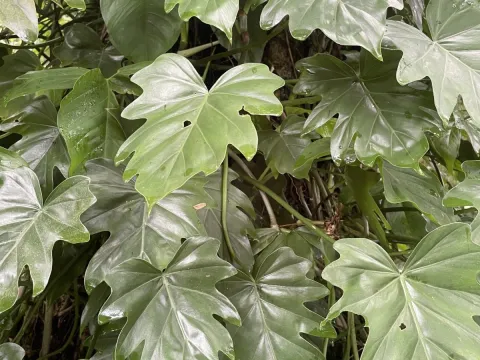
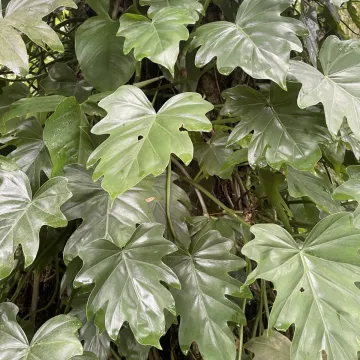
Philodendron lacerum is a striking evergreen perennial species belonging to the Araceae family. Known for its distinctively deeply lobed, leathery leaves, this plant is a staple for interior greening and botanical collections, providing a lush, tropical aesthetic to any environment.
Native to the Caribbean islands, including Cuba and Jamaica, this plant thrives in humid tropical rainforest climates. In its natural habitat, it operates as a hemiepiphyte, utilizing its strong aerial roots to climb tree trunks, which allows it to access filtered light in the dense understory.
Botanically, it is distinguished by large, cordate leaves that undergo a transition to a pinnately-lobed structure as the plant matures. Its growth habit is typically climbing, necessitating sturdy supports such as moss poles to maintain healthy development and encourage larger leaf size.
To cultivate this species successfully, one must replicate its natural environmental conditions: warm temperatures ranging between 20°C and 25°C and high atmospheric humidity. The growing medium should be well-draining, aerated, and rich in organic matter to mimic the forest floor composition where it naturally thrives.
Maintenance practices involve consistent, moderate watering and avoiding waterlogged roots, which can trigger decay. While generally robust, the plant is susceptible to common houseplant pests like spider mites and mealybugs, especially if environmental conditions become too dry or stagnant. Prompt treatment and ensuring proper airflow are key to preventing these issues.
Photo gallery