Philodendron laciniatum
Philodendron laciniatum
Description
Philodendron laciniatum is a perennial climbing vine belonging to the Araceae family. In its native habitat, it functions as a hemiepiphyte, utilizing its specialized adventitious roots to anchor itself to tropical tree trunks while searching for sunlight within the dense rainforest canopy.
The plant originates from the tropical rainforests of Central and South America. Within the horticultural industry, this species is cultivated primarily as an ornamental plant for indoor landscaping and greenhouse production. Its ability to thrive in controlled environments makes it a significant crop for commercial foliage nurseries globally.
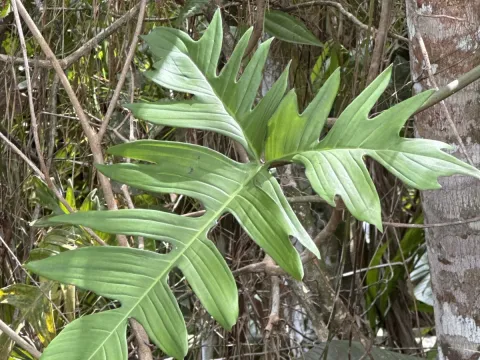
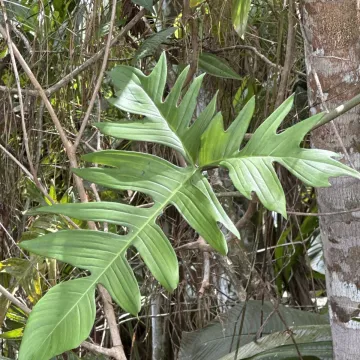
Botanically, the species is characterized by its deeply lobed, laciniate leaves that provide a distinct architectural appeal. The vine-like stems are highly flexible, requiring professional support systems such as moss poles or trellis structures to manage its growth habit and ensure structural integrity throughout the life cycle of the plant.
Agronomic management of Philodendron laciniatum requires specific environmental control. The crop thrives in well-draining, organic-rich, slightly acidic soil mixtures. Key cultural requirements include maintaining a stable temperature between 20–25°C, high atmospheric humidity, and providing bright, filtered light. Over-saturation of the potting medium must be strictly avoided to prevent root rot.
From a commercial perspective, this plant is a staple for the interior design market due to its air-purifying qualities and resilience. Management of the crop involves vigilant monitoring for common pests, including spider mites, mealybugs, and scale insects, which can affect leaf quality. Integrated pest management (IPM) practices are highly recommended to ensure optimal plant health and marketability.
Photo gallery