Philodendron melinonii
Philodendron melinonii
Description
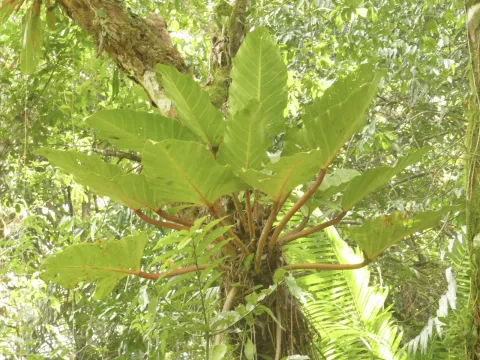
Philodendron melinonii is a striking perennial species belonging to the Araceae family. In horticultural practice, this plant is primarily recognized as a high-value ornamental crop, prized for its large, robust, and glossy foliage. It is widely cultivated in the nursery industry to provide high-quality specimens for commercial and residential interior landscaping.
The plant originates from the tropical rainforests of South America, specifically parts of French Guiana and Brazil. As a natural epiphyte, it inhabits the canopy or forest floor, climbing tree trunks to reach filtered light. Its biological adaptations make it highly efficient in environments with high humidity and moderate light intensity, which are key factors to consider in commercial production.
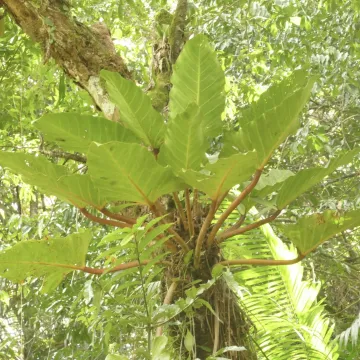
Botanically, this species is characterized by a dense rosette of large, leathery, cordate leaves supported by thick, succulent petioles. The plant's structure allows it to maintain a stable water balance, while its root system is adapted to rapidly absorb nutrients from decomposing organic matter. In a controlled agricultural environment, these traits allow for relatively stable growth cycles.
Effective agrotechnical management for Philodendron melinonii involves several critical components. A well-draining, nutrient-rich substrate composed of peat, coarse bark, and perlite is essential to prevent root asphyxiation. The plant thrives in temperatures between 20°C and 25°C and prefers high ambient humidity. Consistent, moderate irrigation and light fertilization during the active growing season are necessary for optimal leaf development.
The main economic use of this species is in the ornamental horticulture market. Growers must be vigilant against pests such as spider mites, mealybugs, and scale insects, which often thrive in similar warm, humid conditions. Furthermore, fungal and bacterial pathogens, particularly root rot, are common risks associated with poor drainage or overwatering. Regular plant inspection and environmental control are the foundations of successful crop protection.
Photo gallery