Philodendron selloum
Philodendron selloum
Description
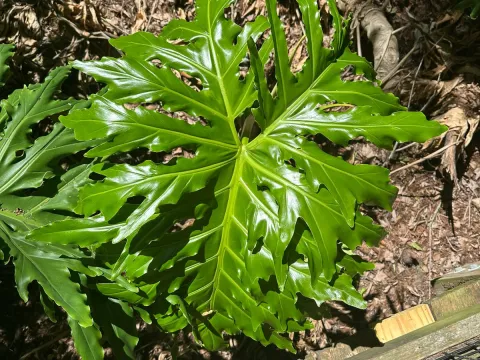
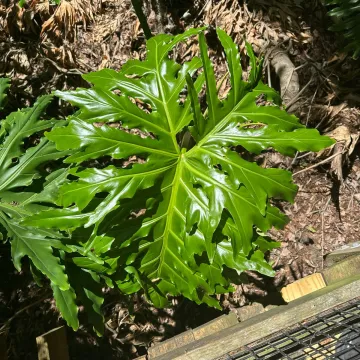
Philodendron selloum, botanically reclassified as Thaumatophyllum bipinnatifidum, is a prominent member of the Araceae family. It is a robust, evergreen perennial known for its architectural form and expansive, deeply lobed foliage, making it a staple in both interior landscaping and tropical garden design.
The species originates from the rainforests of South America, primarily within Brazil, Argentina, and Paraguay. Its natural habitat is characterized by humid, high-temperature environments, where the plant thrives under the canopy, utilizing its significant root system to anchor itself and absorb nutrients from decaying organic matter.
The plant is distinguished by its large, leathery, dark green leaves which can grow over a meter in length. As the plant matures, it develops a thick, woody trunk, which supports its heavy foliage. The presence of aerial roots is a key biological feature, providing stability and auxiliary nutrient absorption in its native tropical ecosystem.
Agronomic requirements include a well-draining, nutrient-rich potting medium with a slightly acidic to neutral pH. Philodendron selloum performs best in bright, indirect light, as direct exposure can scorch the leaves. Temperature maintenance is crucial, with the plant thriving in steady temperatures between +20°C and +26°C, while protection from cold drafts is essential for health.
Cultivation management involves consistent watering and balanced fertilization during the active growing season to support its vigorous foliage production. Common challenges and threats to this crop include:
- Spider mites
- Mealybugs
- Scale insects
- Root rot due to overwatering
Photo gallery