Philodendron tortum
Philodendron tortum
Description
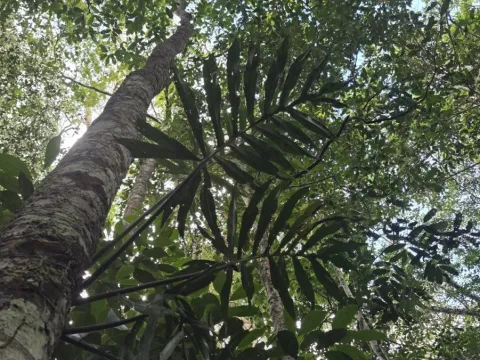
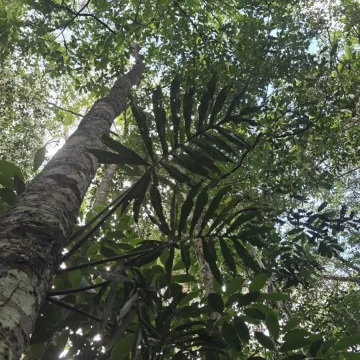
Philodendron tortum is a distinctive perennial tropical species belonging to the Araceae family. It is widely recognized in the horticultural industry for its unique, deeply pinnatisect foliage, which gives it an elegant, fern-like appearance. This structural complexity makes it a high-value specimen for specialized tropical plant collections and indoor landscaping.
Native to the humid rainforests of South America, particularly Brazil, this species naturally exhibits an epiphytic growth habit. In the wild, it climbs large tropical trees using specialized adventitious roots to access light and nutrients. This evolutionary adaptation dictates its specific requirements for high-humidity environments and vertical support structures in a controlled agricultural setting.
Botanically, Philodendron tortum is characterized by its slow growth rate and slender stem structure. The leaves are the primary ornamental feature, consisting of elongated, narrow lobes that often twist and arch, creating a delicate, sculptural silhouette. The plant produces a shallow, sensitive root system that requires a balance between adequate hydration and sufficient oxygenation to prevent physiological stress.
Agronomic management requires precise environmental control: ambient temperatures should remain between 20–25°C, with protection from direct solar radiation. The optimal substrate must be light, airy, and well-draining, typically comprised of orchid bark, sphagnum moss, and perlite. Proper fertilization with a balanced, diluted liquid formula during the active growing season is essential to maintain leaf vigor and color intensity.
The primary utility of this crop is in the professional ornamental nursery trade. Despite its hardiness, it can be affected by common greenhouse pests such as spider mites, mealybugs, and scale insects, particularly when humidity levels drop below 60%. Root rot is the most frequent pathological issue, usually triggered by waterlogged conditions or poor substrate drainage, making diligent moisture management the core of successful plant health programs.
Photo gallery