Philodendron Xanadu
Philodendron xanadu
Description
Philodendron Xanadu (syn. Thaumatophyllum xanadu) is a perennial evergreen plant species belonging to the Araceae family. This ornamental crop is widely recognized for its compact, bushy growth habit, which distinguishes it from many vining philodendron species, making it a highly desirable choice for interior landscaping.
The plant originates from the tropical rainforests of Brazil. In its natural habitat, it thrives in shaded, humid conditions under the canopy of larger trees. Due to its adaptability, it has become a staple in tropical gardening and a popular houseplant globally, valued for its lush, architectural foliage and ease of maintenance in controlled environments.
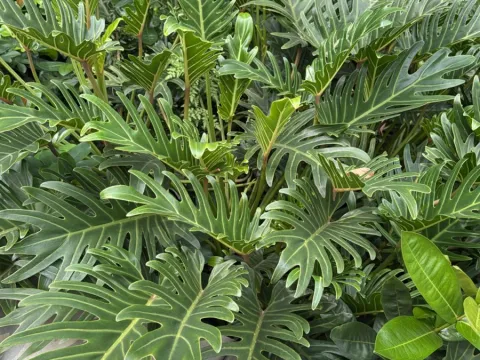
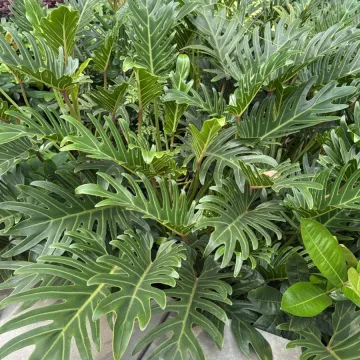
Botanically, Xanadu is characterized by its deeply lobed, leathery, dark green leaves that emerge from a central base. As the plant matures, it develops a woody, short stem that supports the crown of leaves. The root system is vigorous and expansive, requiring adequate pot size or garden space to maintain optimal plant health and vitality.
Agronomic requirements for Philodendron Xanadu focus on providing a well-draining, nutrient-rich, and slightly acidic substrate. It performs best in bright, indirect sunlight. While it is relatively drought-tolerant once established, it prefers consistent moisture levels and high humidity to ensure the leaves remain glossy and free from browning edges.
Essential cultivation practices include:
- Providing bright, indirect light to prevent leaf elongation.
- Using a well-aerated potting mix containing peat, perlite, and bark.
- Watering only when the top inch of soil feels dry to the touch.
- Fertilizing during the growing season with a balanced liquid feed.
The primary use of Philodendron Xanadu is ornamental, serving as a focal point in residential and commercial interior design. It is also used as a groundcover in frost-free climates. Common pests that may affect the plant include spider mites, mealybugs, and scale insects. Maintaining good airflow and proper humidity is the most effective strategy for preventing disease and pest outbreaks.
Photo gallery