Description
Photinia davidsoniae is an evergreen species of tree or large shrub that belongs to the Rosaceae family. It is highly valued for its dense, glossy foliage and robust structure, making it a popular choice for gardeners and landscape architects seeking reliable, year-round greenery.
Originating from East Asia, specifically China, this plant has adapted to various subtropical and warm temperate climates globally. It is widely cultivated in regions where it can thrive in stable temperatures, as it is generally considered to have moderate frost tolerance while preferring milder environments to maintain its peak aesthetic condition.
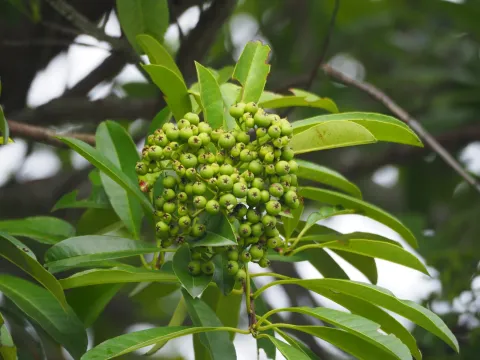
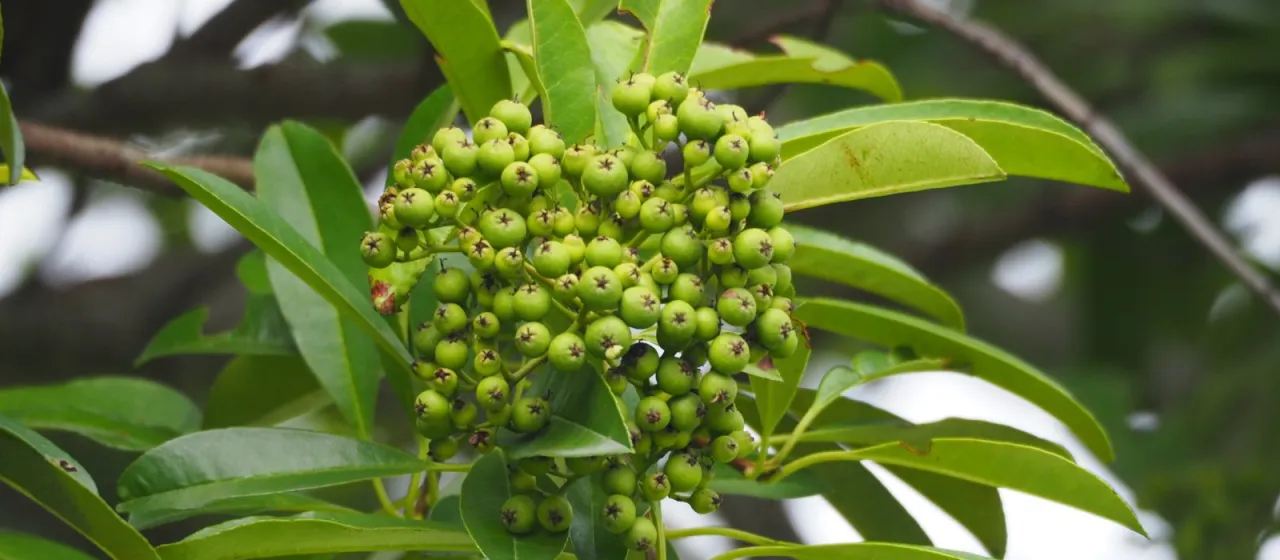
Botanically, Photinia davidsoniae displays simple, serrated leaves and produces clusters of white flowers that eventually develop into attractive, persistent red berries. These berries provide a significant ornamental benefit, especially during the autumn and winter months, adding color and visual interest to the landscape after the main flowering season.
In terms of agricultural requirements, this plant prefers well-draining, fertile soil with a neutral to slightly acidic pH. It performs best in full sun to partial shade. Proper maintenance involves regular pruning to encourage dense growth and structural integrity, as well as periodic fertilizing during the growing season to support lush leaf development.
The primary use of Photinia davidsoniae is in ornamental horticulture. It is frequently employed to form dense hedges, privacy screens, or as a focal point in landscape design. Its ability to tolerate urban conditions, such as moderate air pollution, makes it an excellent choice for parks, urban gardens, and public green spaces.
- Responds very well to shaping and pruning techniques.
- Requires consistent moisture, especially during dry summers.
- May be susceptible to powdery mildew in high-humidity areas.
- Regular monitoring is needed to prevent aphids and scale infestations.
Photo gallery