Photinia parvifolia
Photinia parvifolia
Description
Photinia parvifolia is a distinguished member of the Rosaceae family, widely recognized for its aesthetic value and structural versatility in garden design. This woody plant species is cherished by horticulturists for its refined foliage and ability to provide seasonal interest throughout the year.
Native to East Asia, particularly China, this species has adapted to various temperate climates, making it a sought-after choice for ornamental gardening in multiple regions worldwide. Its natural habitat is typically characterized by mountainous areas where it thrives under specific light and moisture conditions.
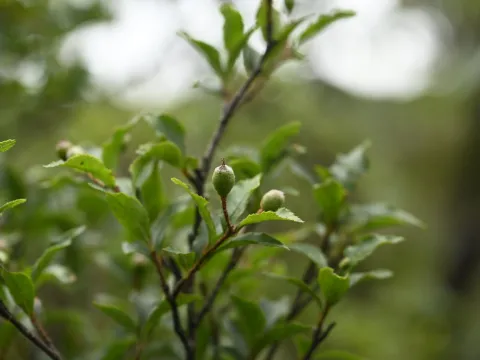
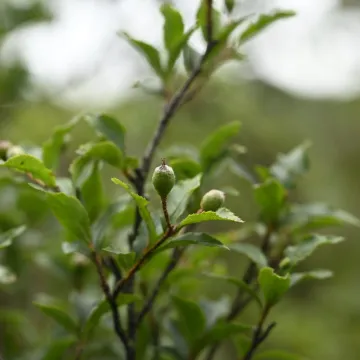
Botanically, it is classified as a dense shrub with characteristic small, leathery leaves that form a compact canopy. During the spring months, the plant produces abundant clusters of white flowers, which eventually transform into small, decorative red berries that persist well into the autumn season, providing aesthetic appeal.
Cultivation success for this species depends heavily on providing well-draining, nutrient-rich soil and adequate sunlight exposure. While it is relatively low-maintenance, it requires consistent watering during establishment and in periods of drought. Proper soil pH management is essential to ensure optimal nutrient uptake and leaf vibrancy.
The primary utility of Photinia parvifolia is aesthetic, primarily utilized in landscaping as a hedge, a specimen shrub, or a background element for floral borders. Although generally hardy, growers should remain vigilant against common pathogens such as powdery mildew or fungal leaf spots, which are best managed through good air circulation and timely pruning.
Photo gallery