Description
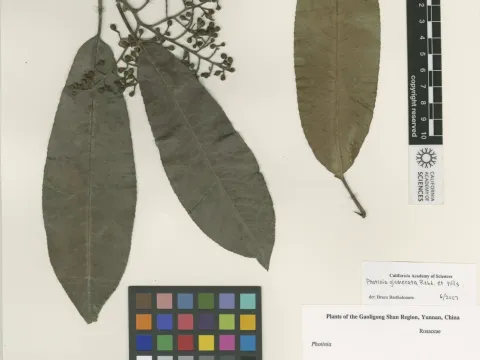
Photinia glomerata is an evergreen ornamental shrub or small tree belonging to the Rosaceae family. It is widely recognized in horticulture for its dense, glossy foliage and the striking reddish hue of its new growth, which provides year-round visual interest in diverse garden settings.
The species originates from Southeast Asia, specifically China, where it thrives in mountainous forest regions. Due to its adaptability, it has been introduced to various parts of the world with temperate climates, where it is utilized primarily for its aesthetic value in landscape design, often serving as a specimen plant or a dense hedge.
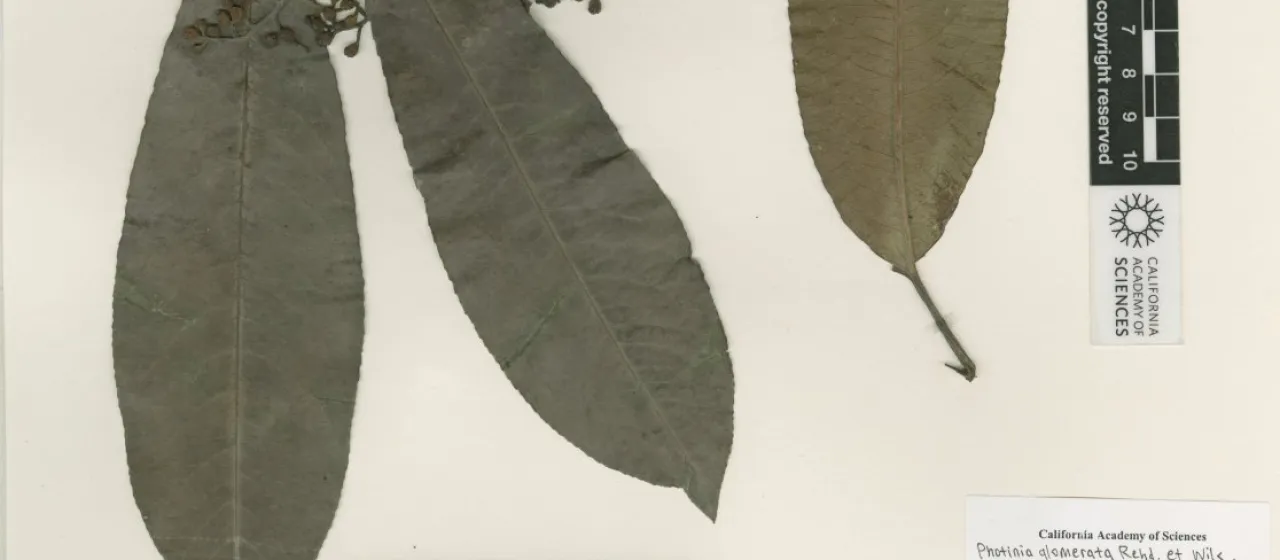
Botanically, this plant is characterized by its stiff, lance-shaped leaves with serrated margins. During the spring, it produces clusters of small, white flowers gathered in corymbs. The contrast between the bright red juvenile leaves and the mature dark green canopy is a defining feature that makes this species particularly popular among landscape architects.
Successful cultivation requires a location with full sun to partial shade and well-drained, fertile soil. Photinia glomerata benefits from consistent moisture, but it is sensitive to waterlogged conditions, which can lead to root issues. Pruning is essential to maintain the desired shape and to encourage the growth of vibrant, colorful new shoots.
To ensure the health and longevity of the plant, gardeners should monitor for several common issues:
- Fungal leaf spots during periods of high humidity.
- Powdery mildew infections affecting the foliage.
- Aphid infestations on young, succulent shoot tips.
- Scale insects that may cluster on stems.
Photo gallery